Office Folk Art
Since the evolution of advanced cognition and aesthetic sensibility in humans, we as a species have had the insatiable desire to create. Regardless of race, sex, gender, religion, culture, nationality, or archaeological period, the desire to express oneself is hard-coded in our genome, and one way or another, we will each find ways to give our innermost thoughts, feelings, fears, and desires a tangible form. What form this takes, exactly, is up to the discretion of its creator; often times, one is limited by one's immediate environment and the tools available therein. One recalls the plight of the venerable Marquis de Sade, whose imprisonment in 1785 forced the genially perverse writer to pen his magnum opus Les 120 Journées de Sodome on small pieces of contraband paper painstakingly glued together.
During the mid-1990s through the late 2000s, the rapid adoption of computer technology in workplaces both large and small, white-collar and blue-collar, by the lowliest unpaid-intern-personal-assistant to the well-heeled President of Engineering they serve, for email-drafting, spreadsheet-designing, project management, and every other conceivable task ripe for automation or expedition by digital electronics meant that it only be a matter of time before the anonymous mouse-clicking, keyboard-tapping office worker would discover the surprising versatility of the office workstation as a tool for creative expression. This was a time before social media; a time before the Amazon and Facebook oligarchs set both precedent and a detailed template for re-programming peoples' attention spans, atrophying their biological urge to create, and ultimately indoctrinating them into the non-denominational Church of Passive Consumption. This was a time of boredom; a time when one had to rely on one's own wit, intuition, and shrewd resourcefulness to lighten the hands on the clock above their desk just enough to accelerate the passage of time.
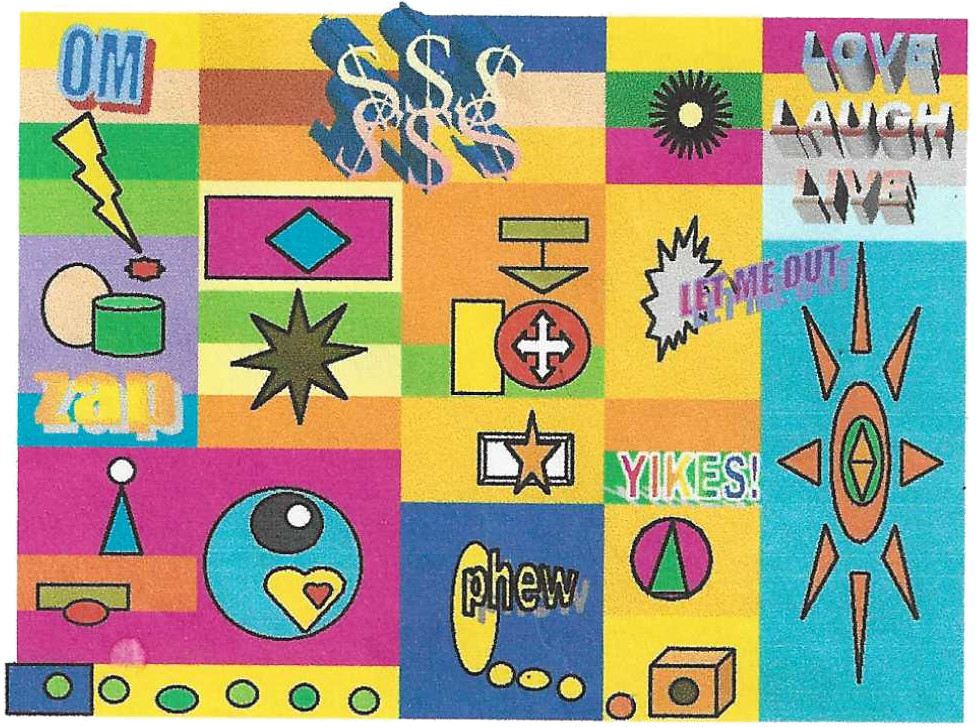
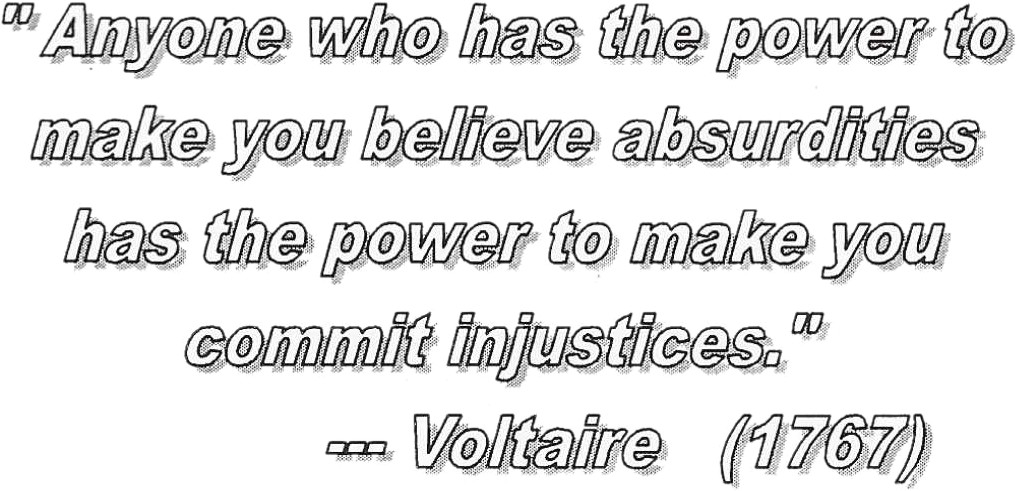
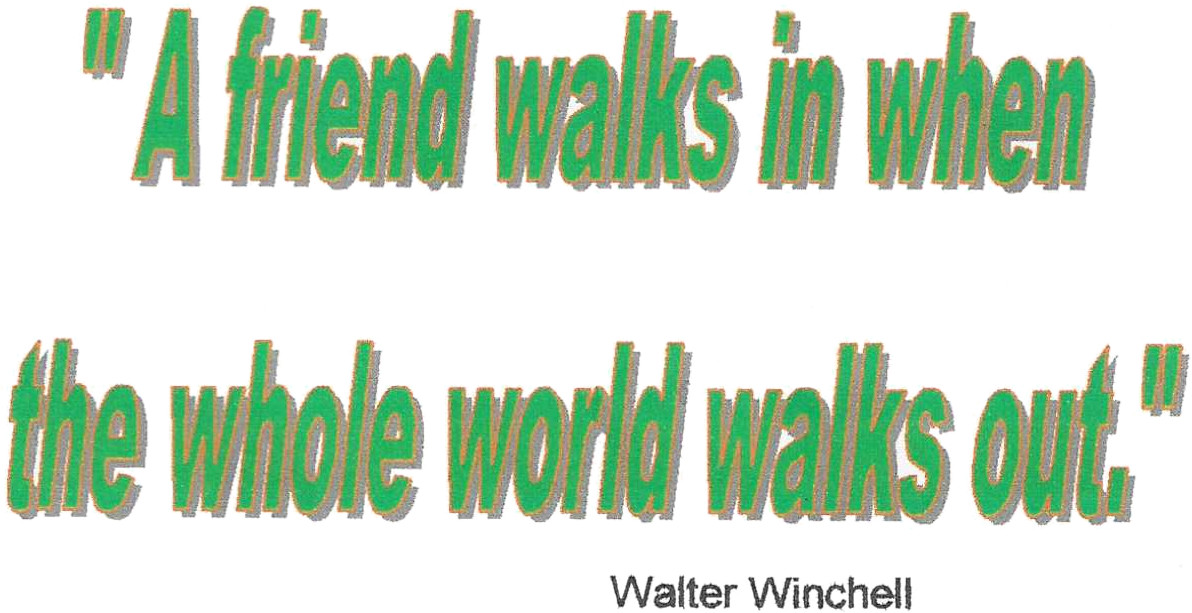
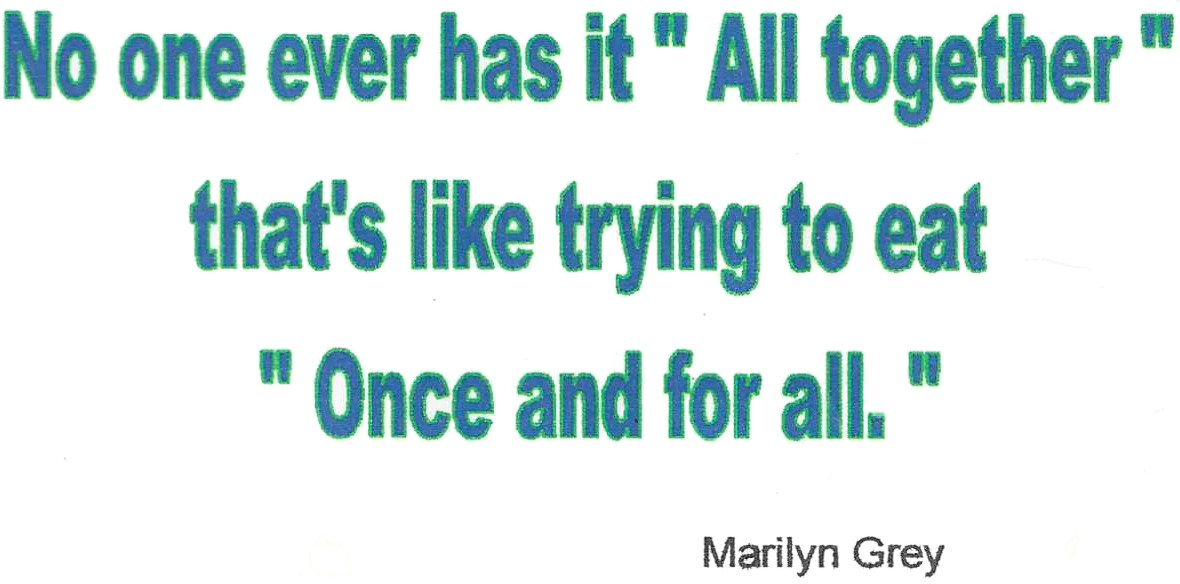
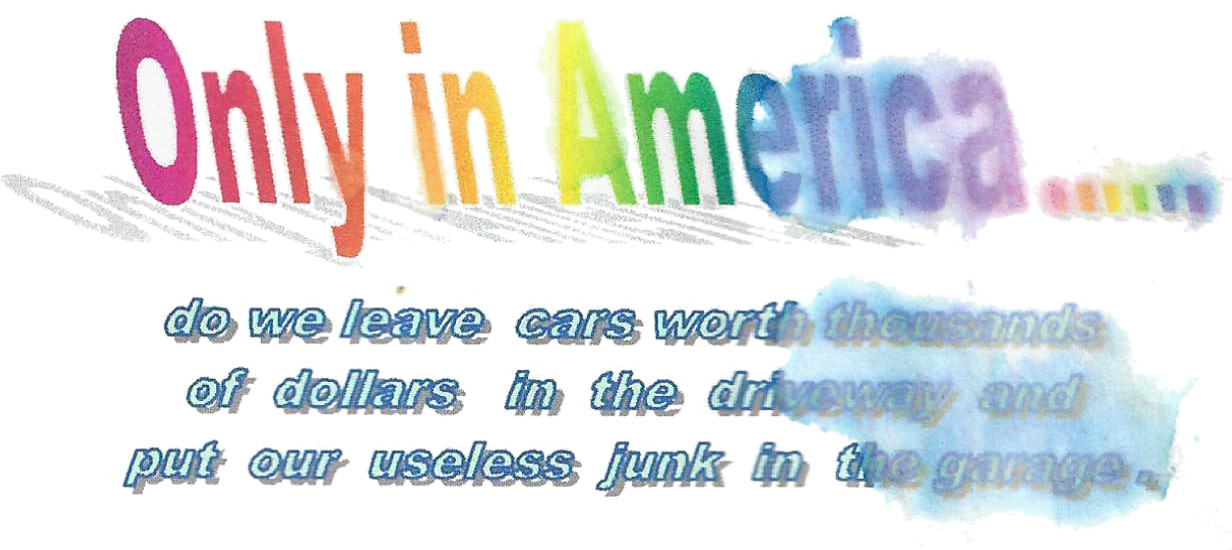
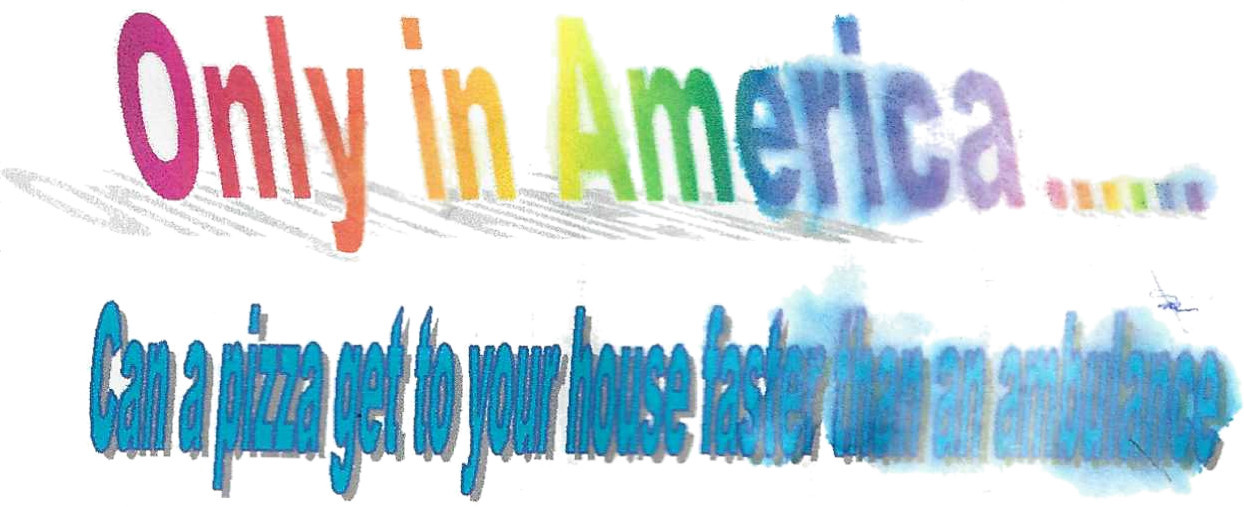
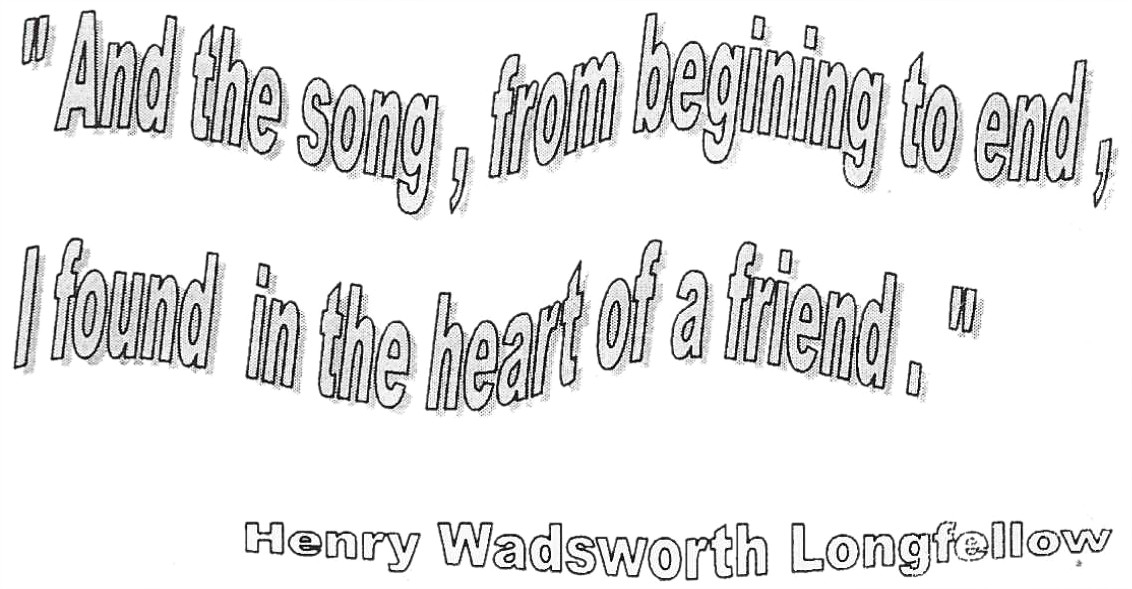
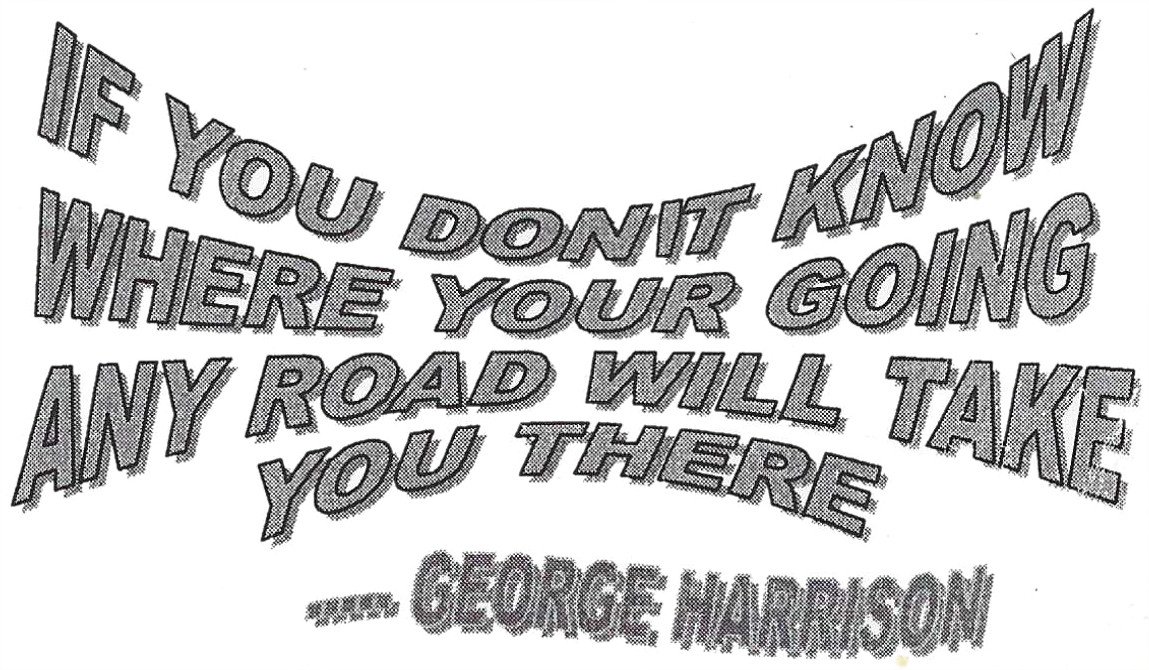
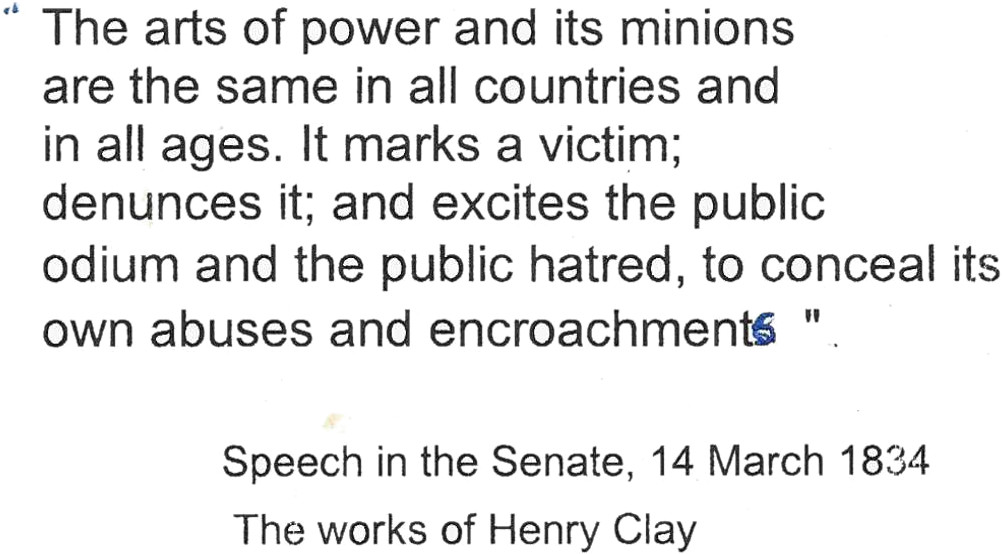
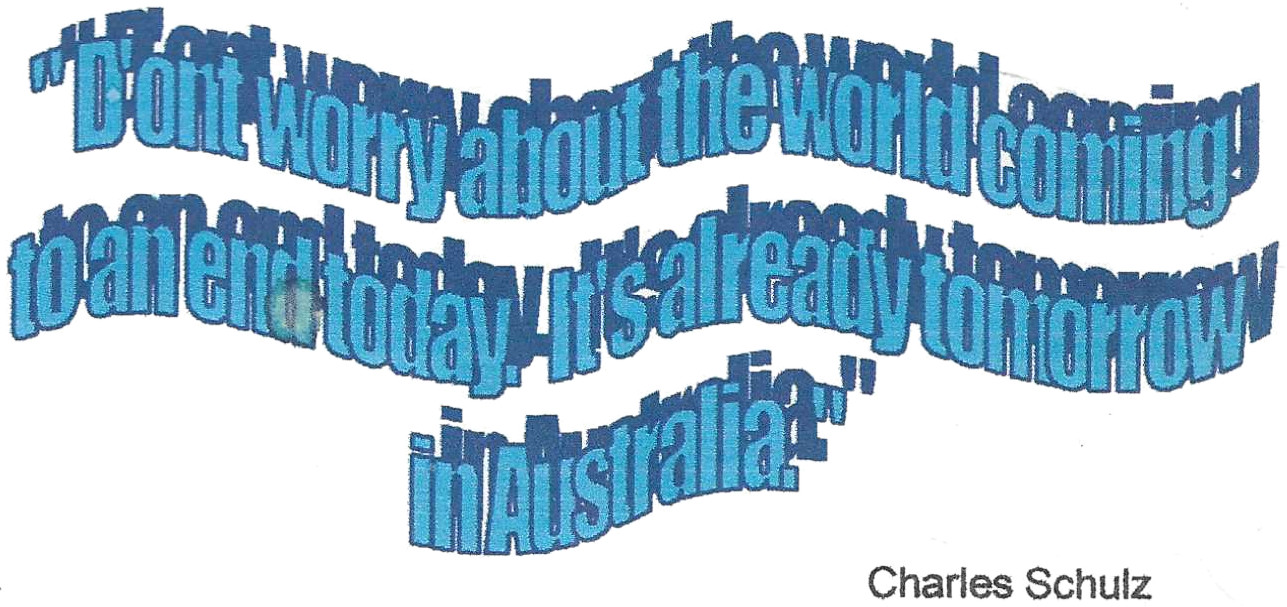
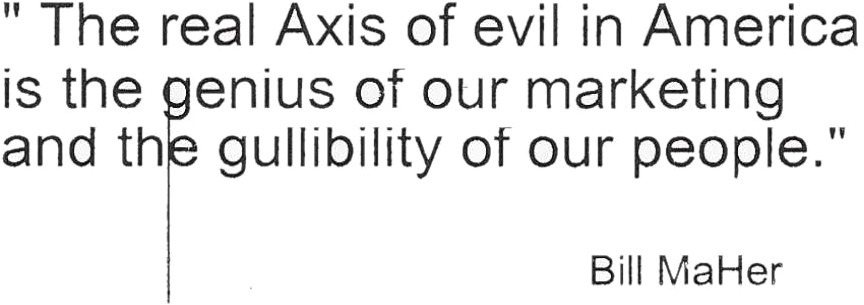
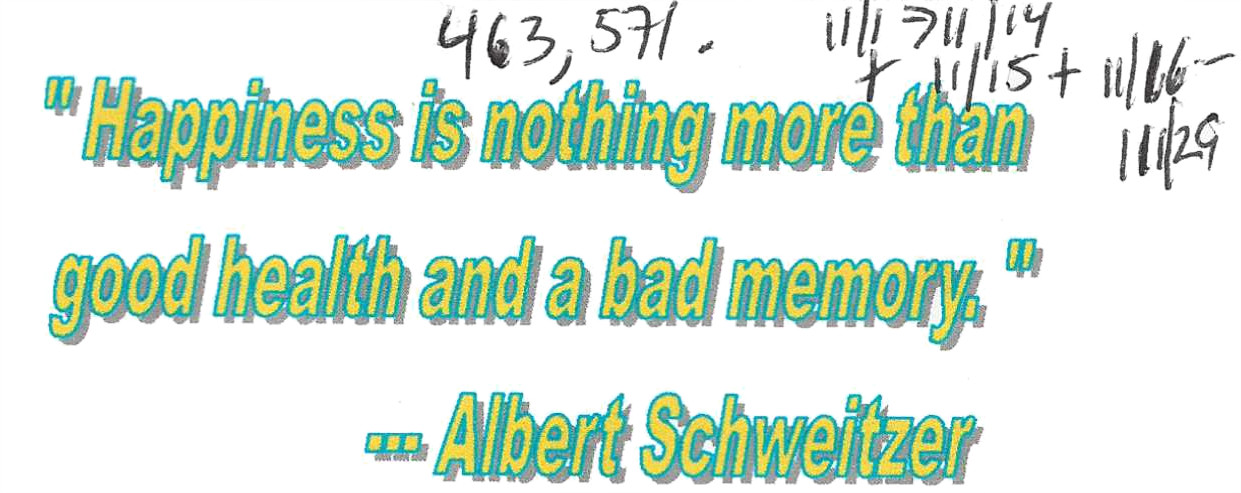
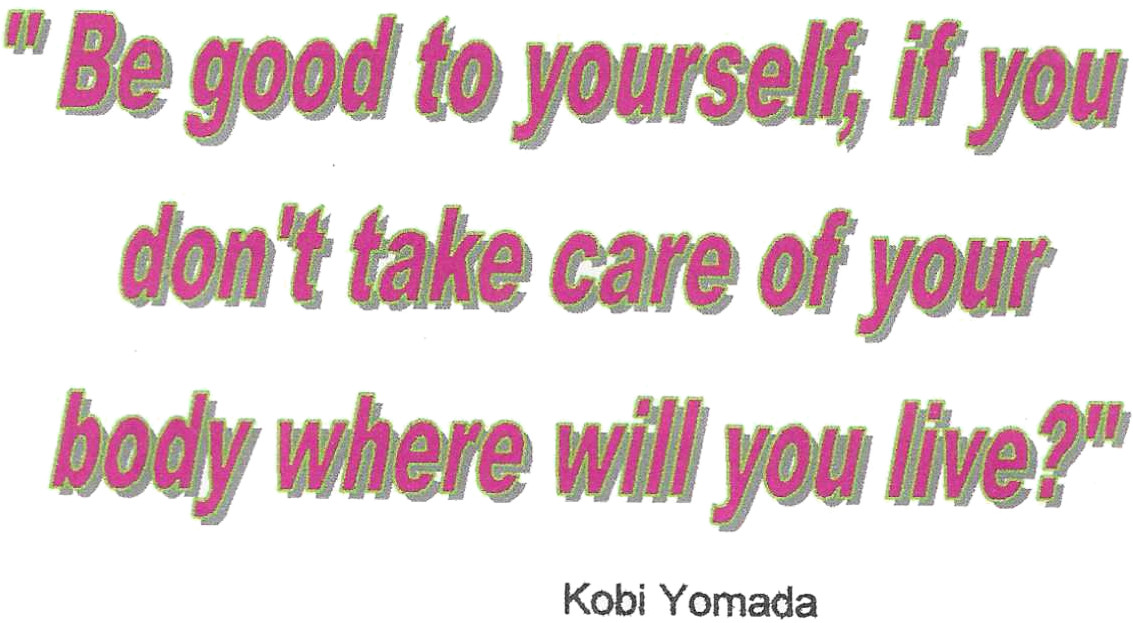
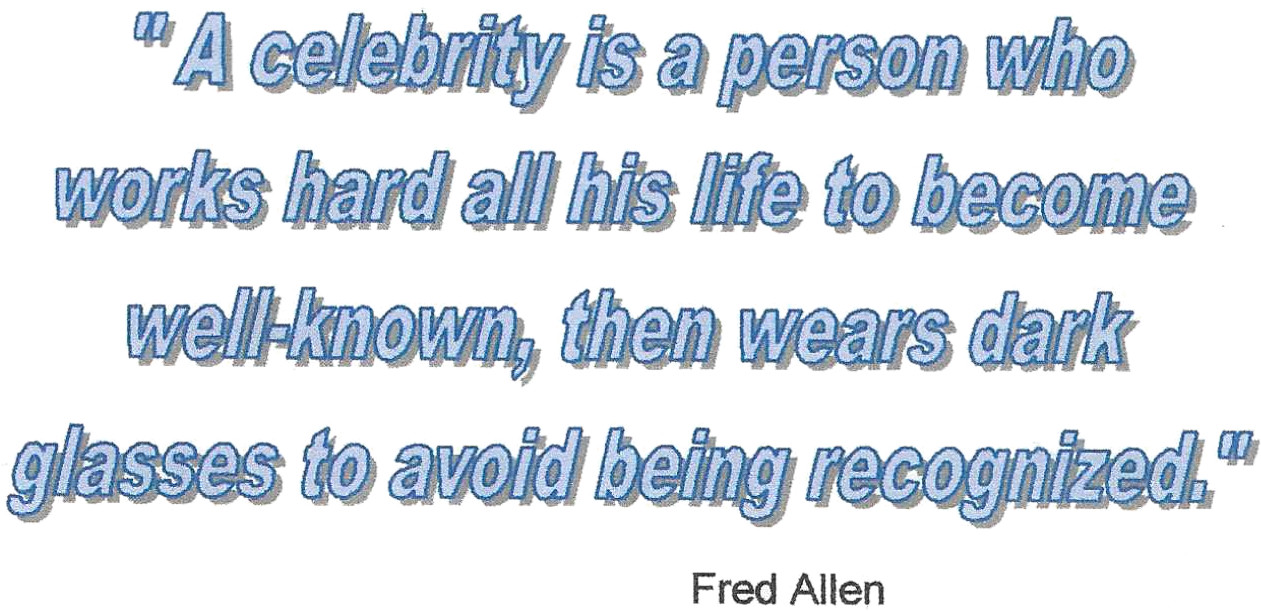
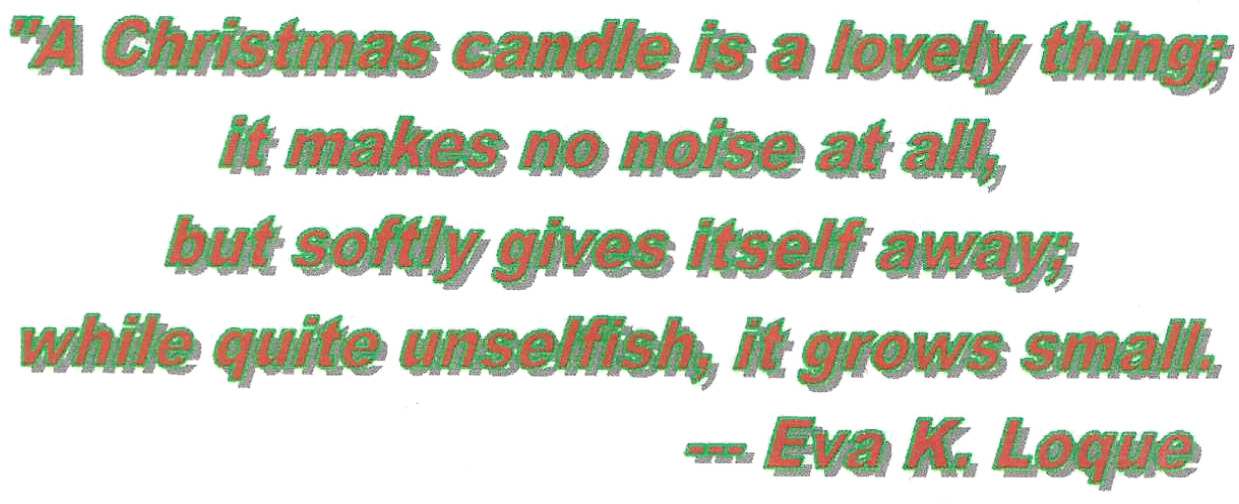
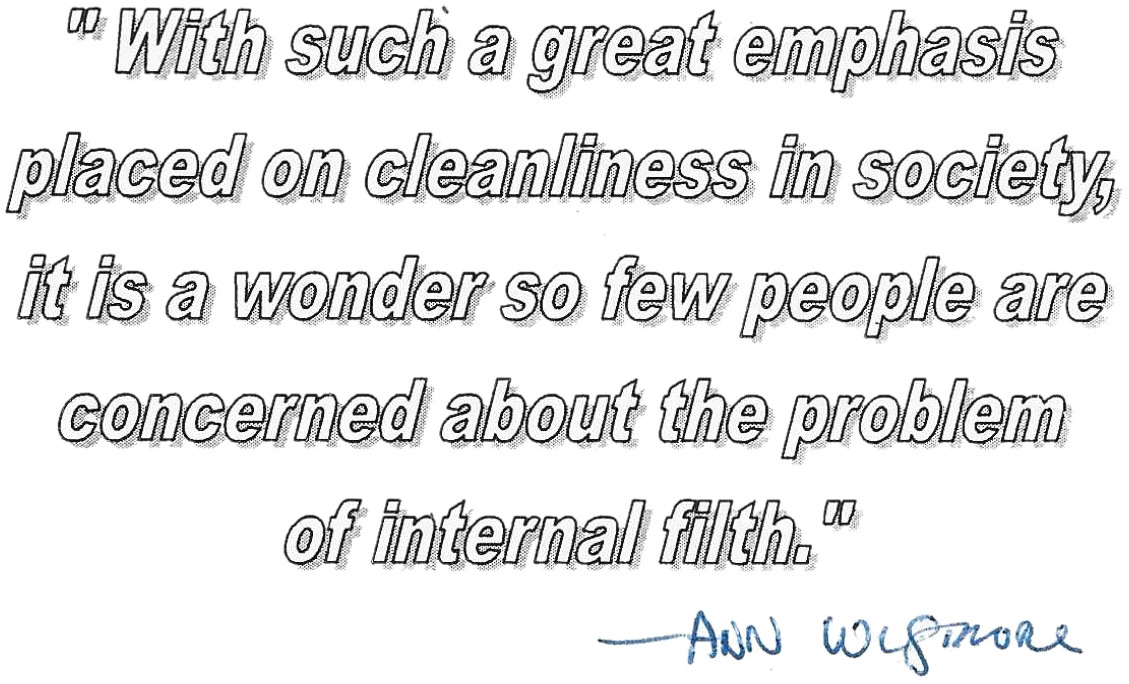
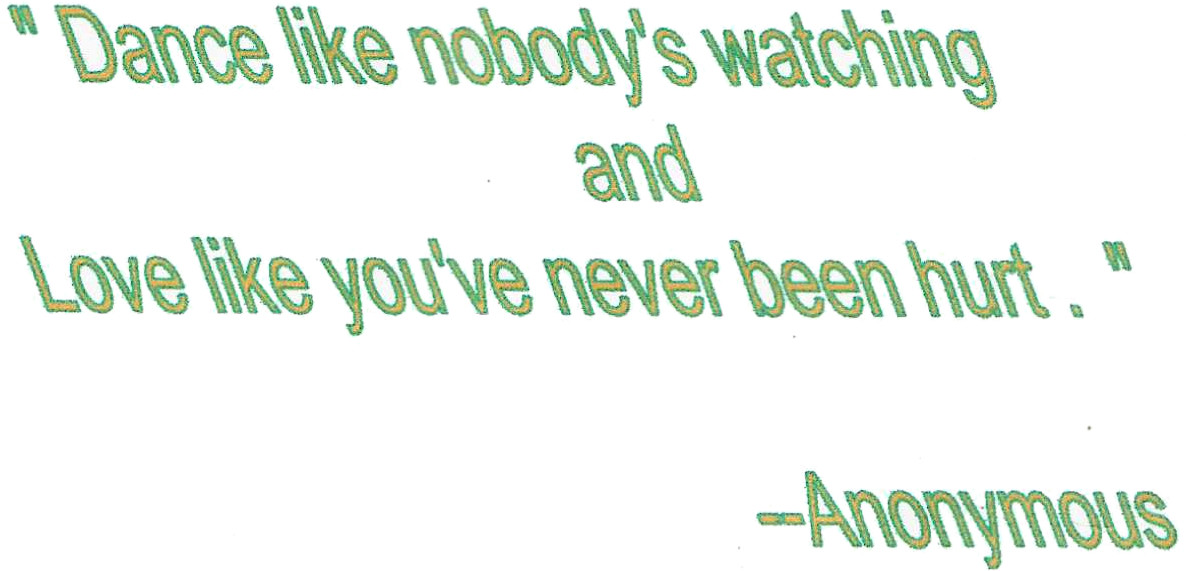
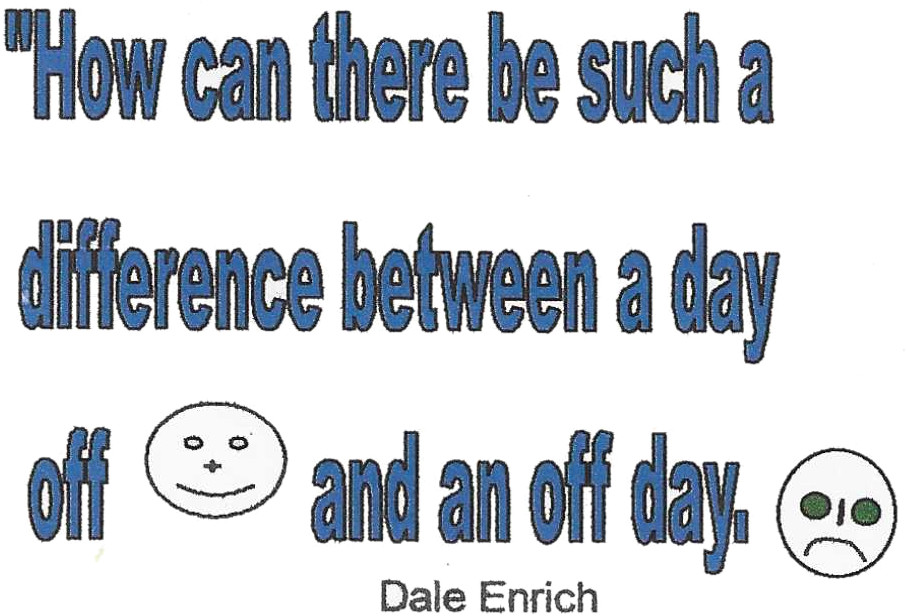
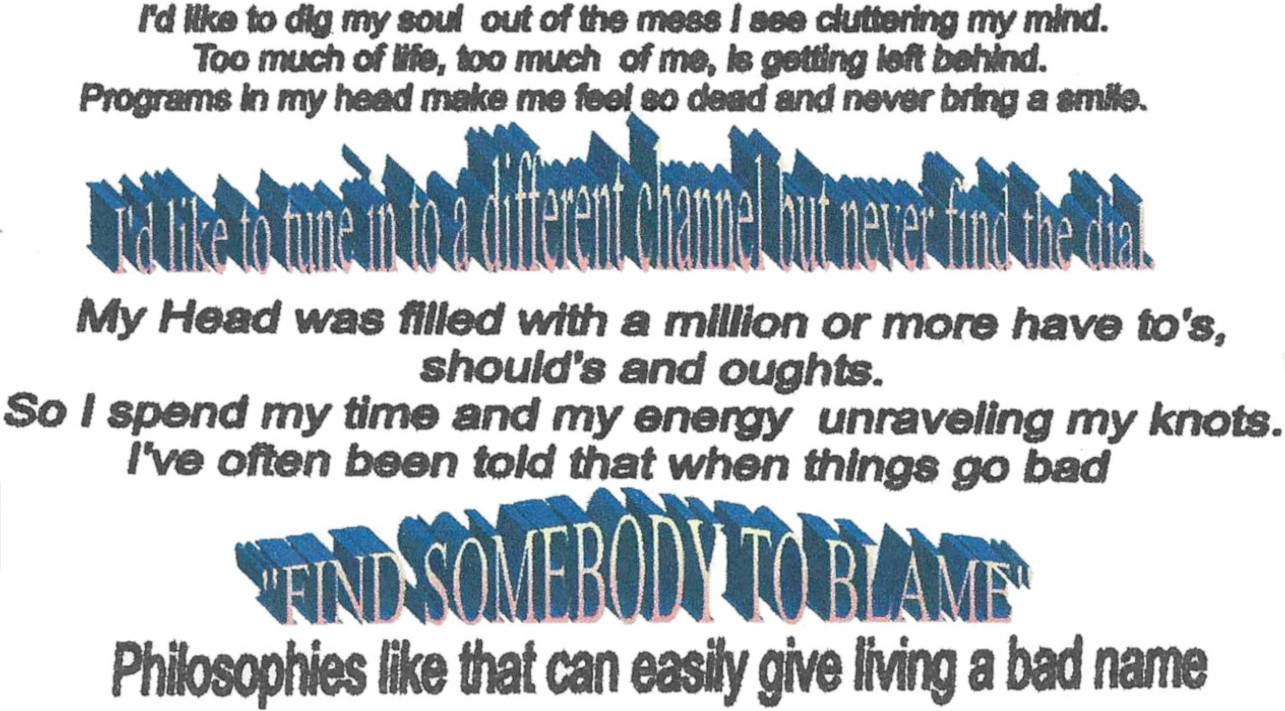
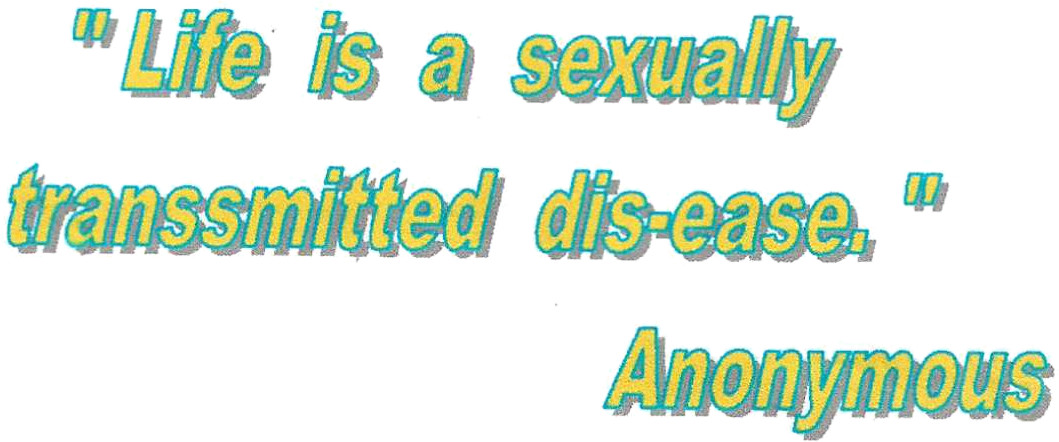
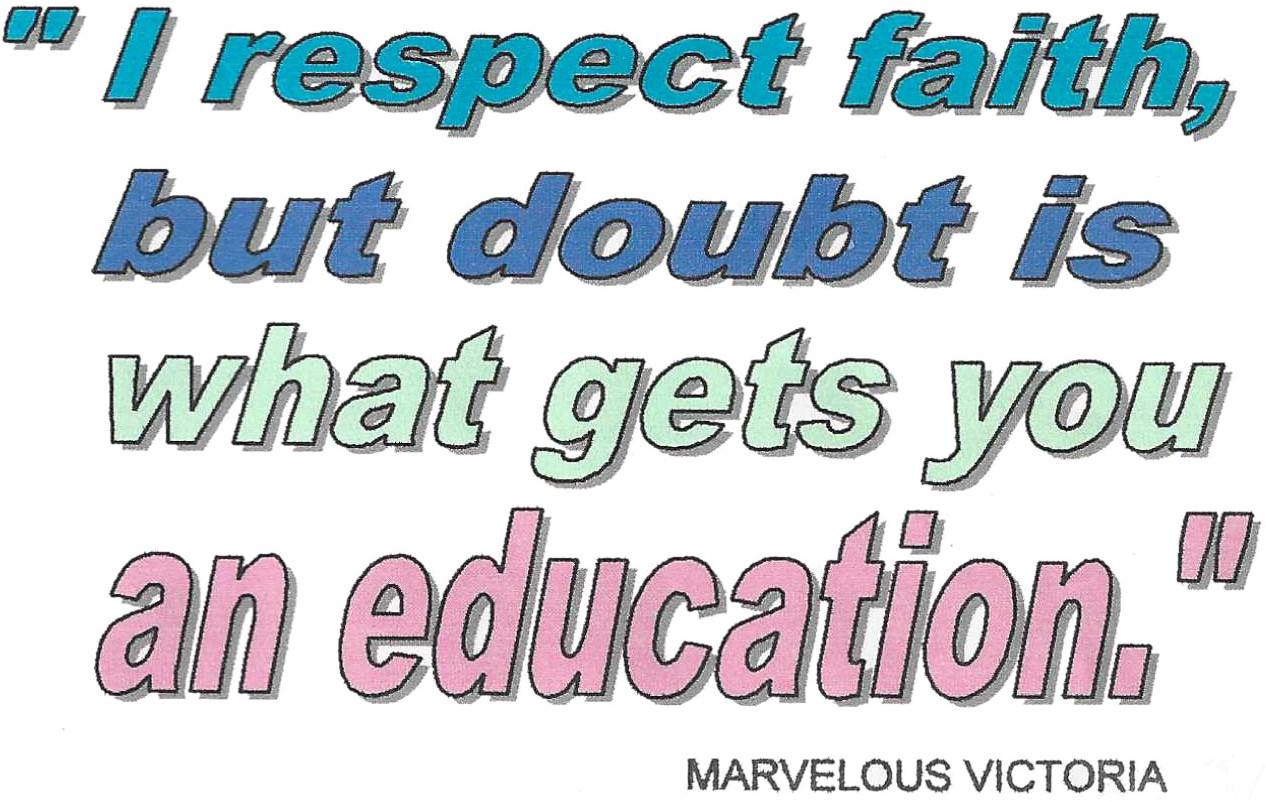
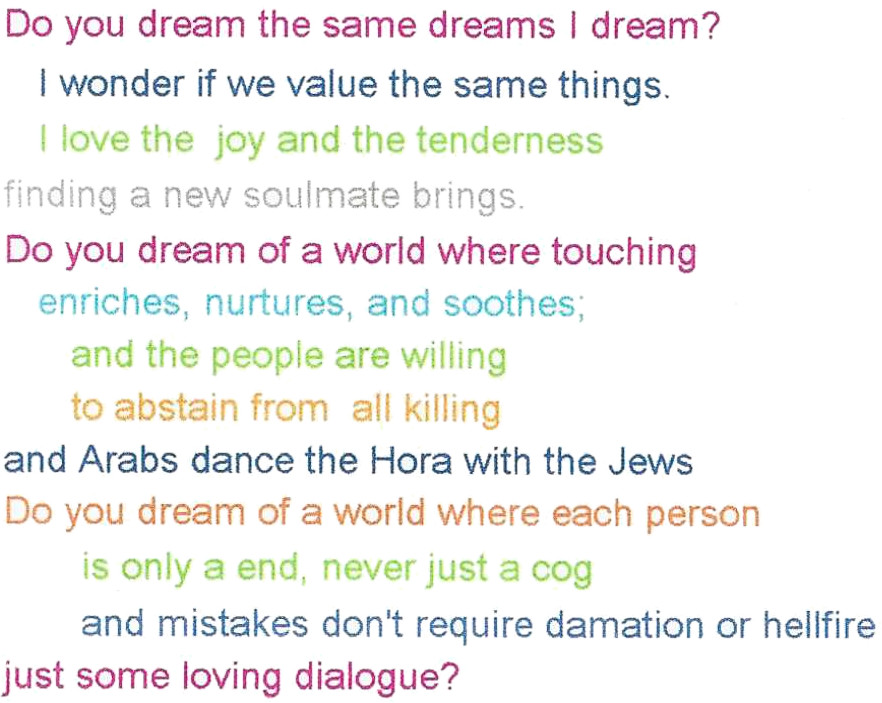
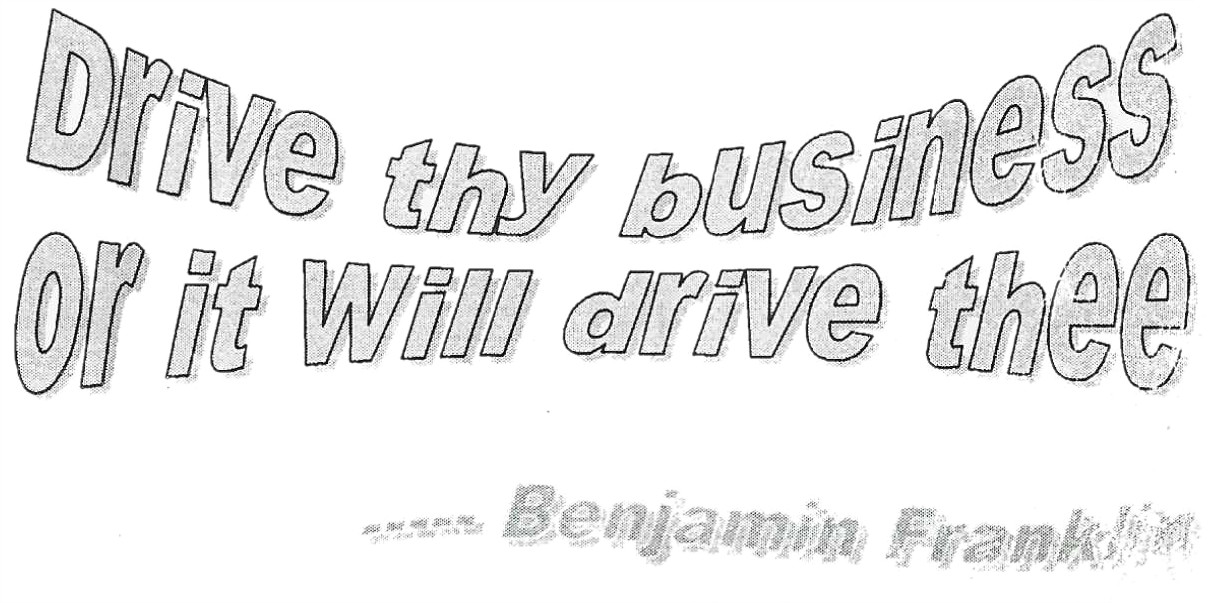
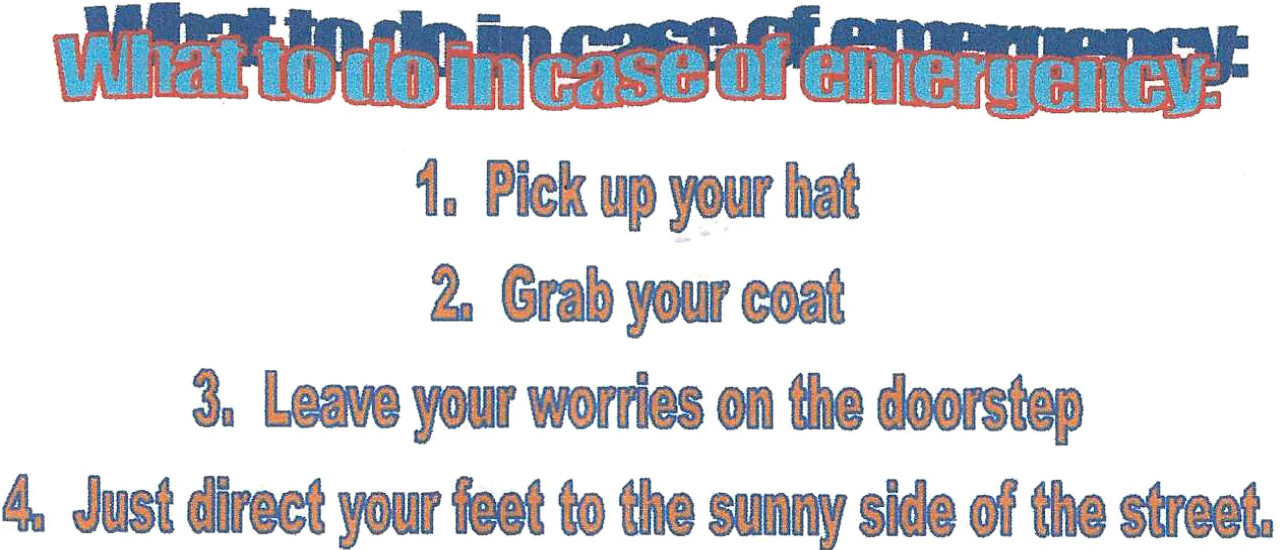
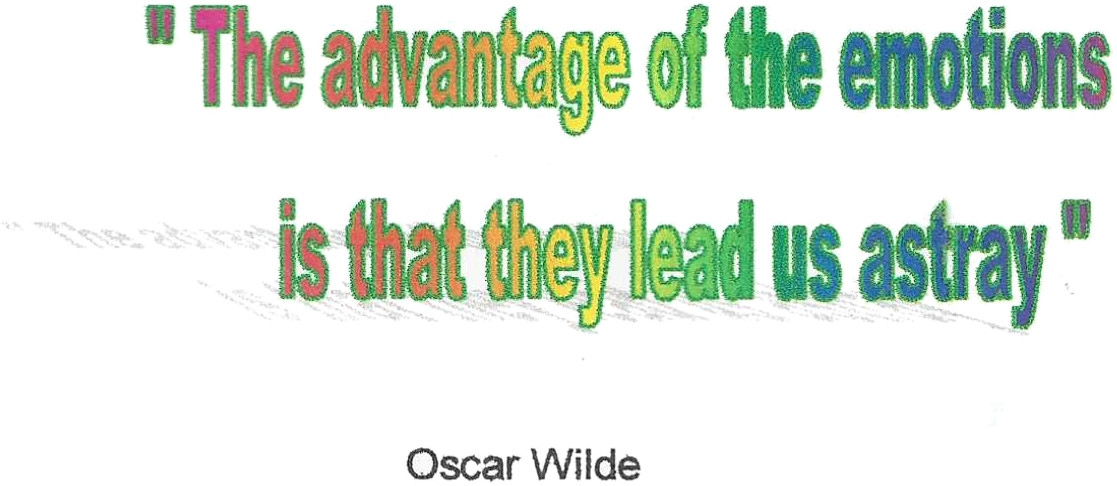
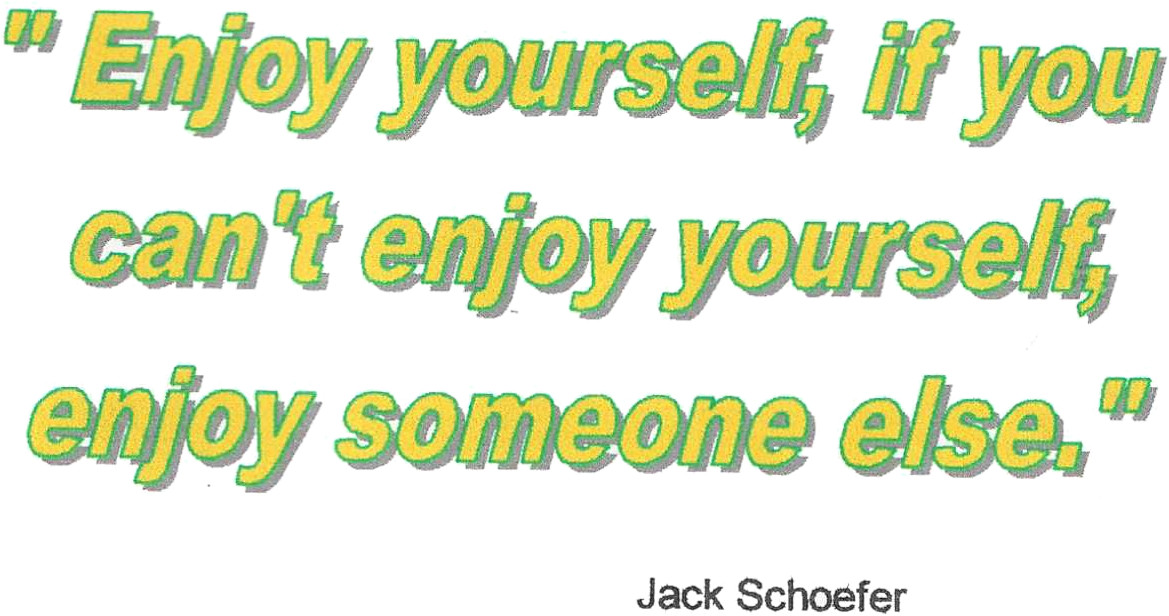
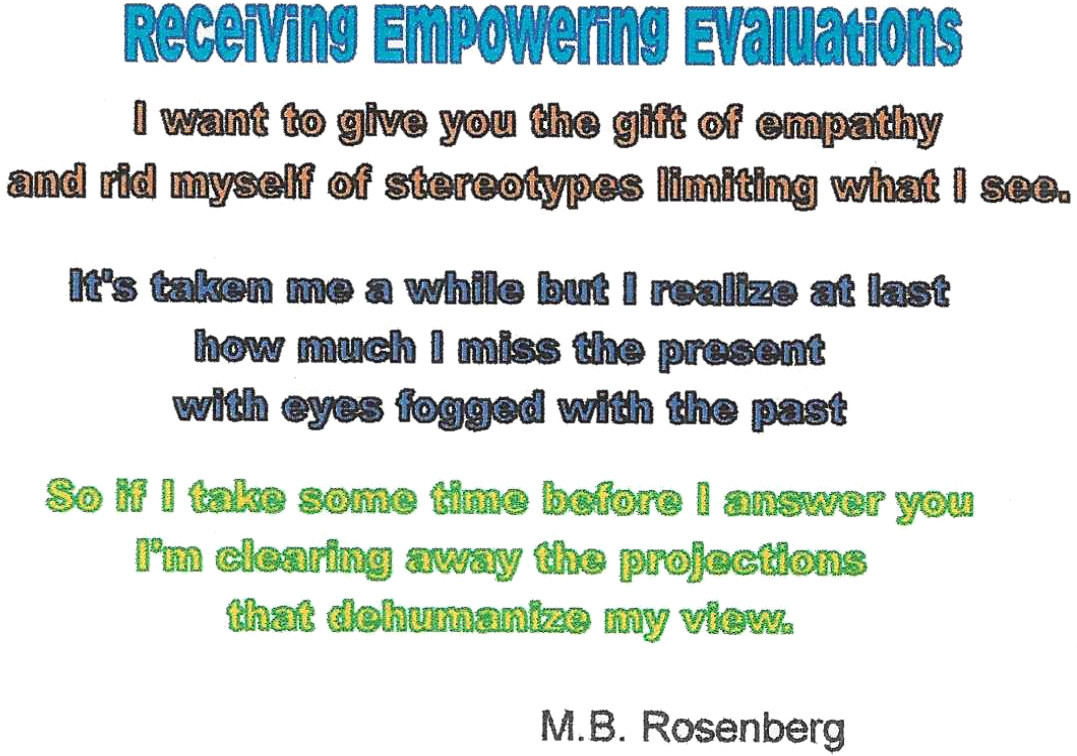
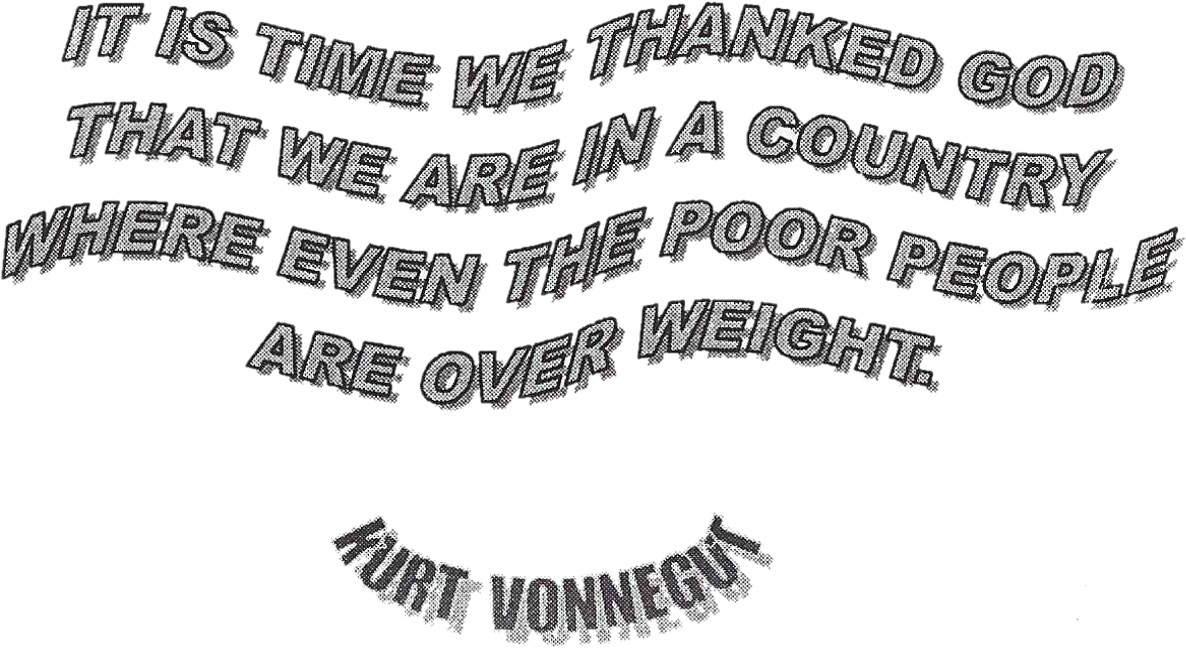
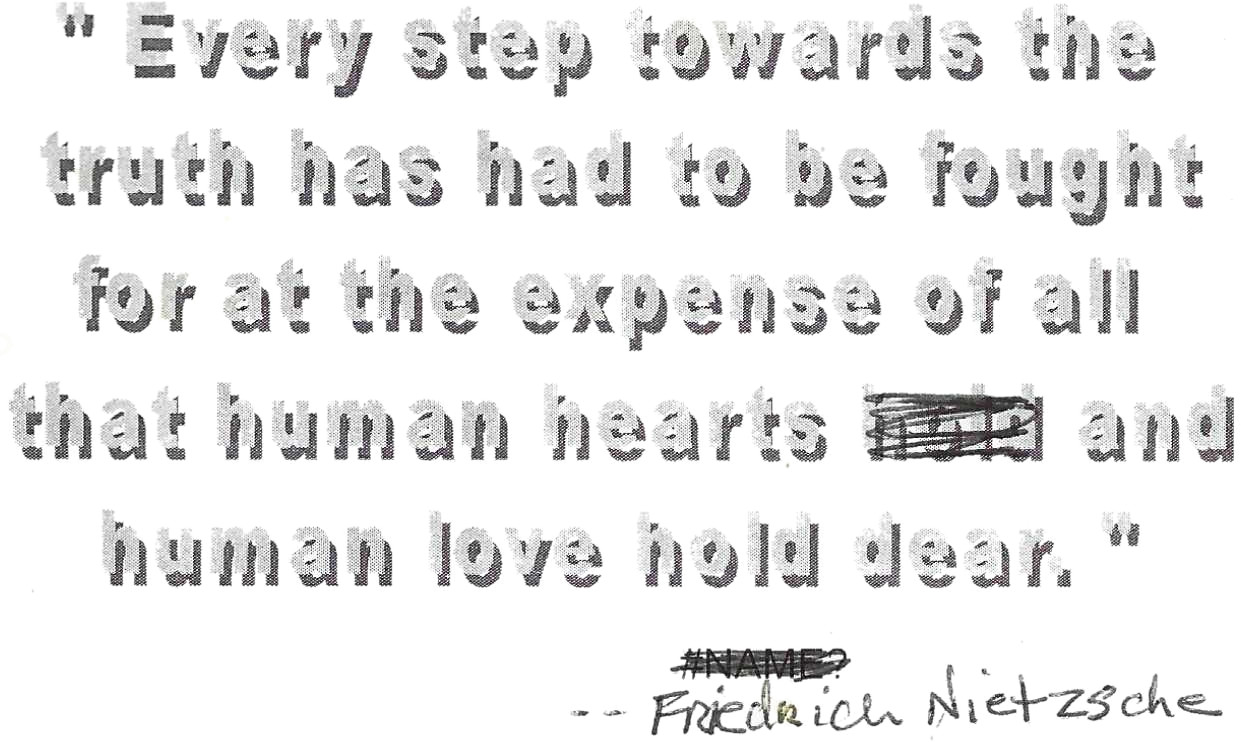
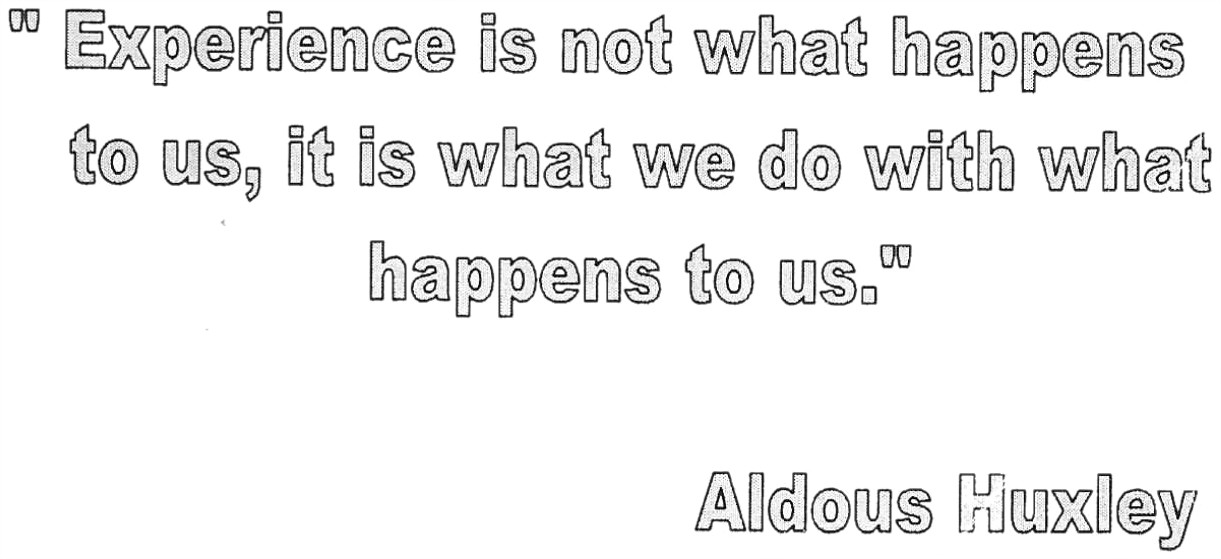
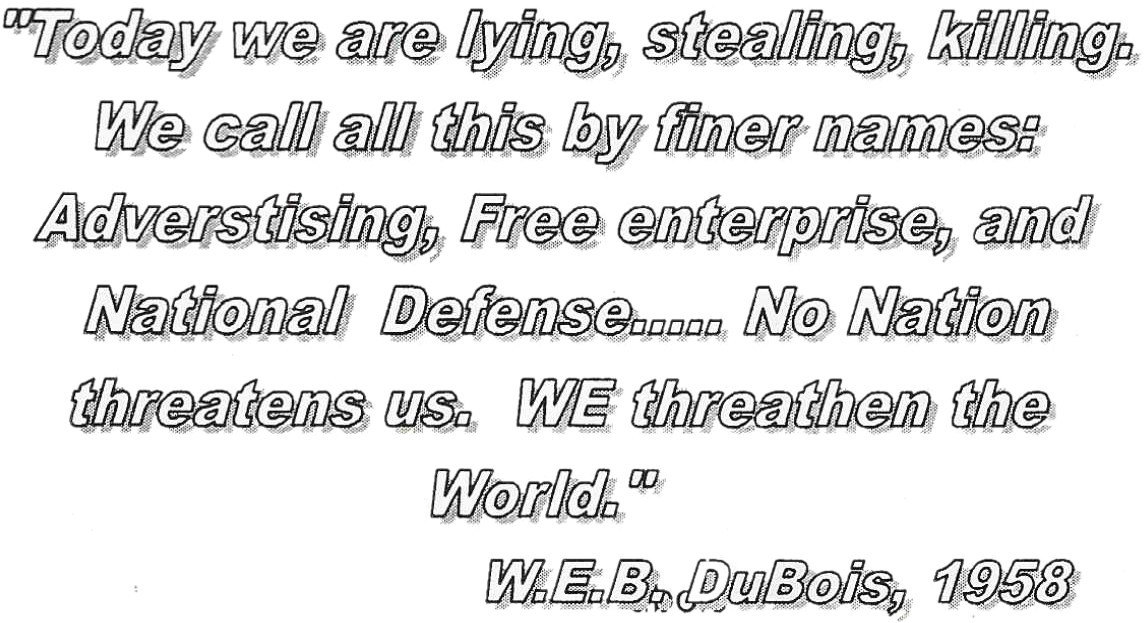
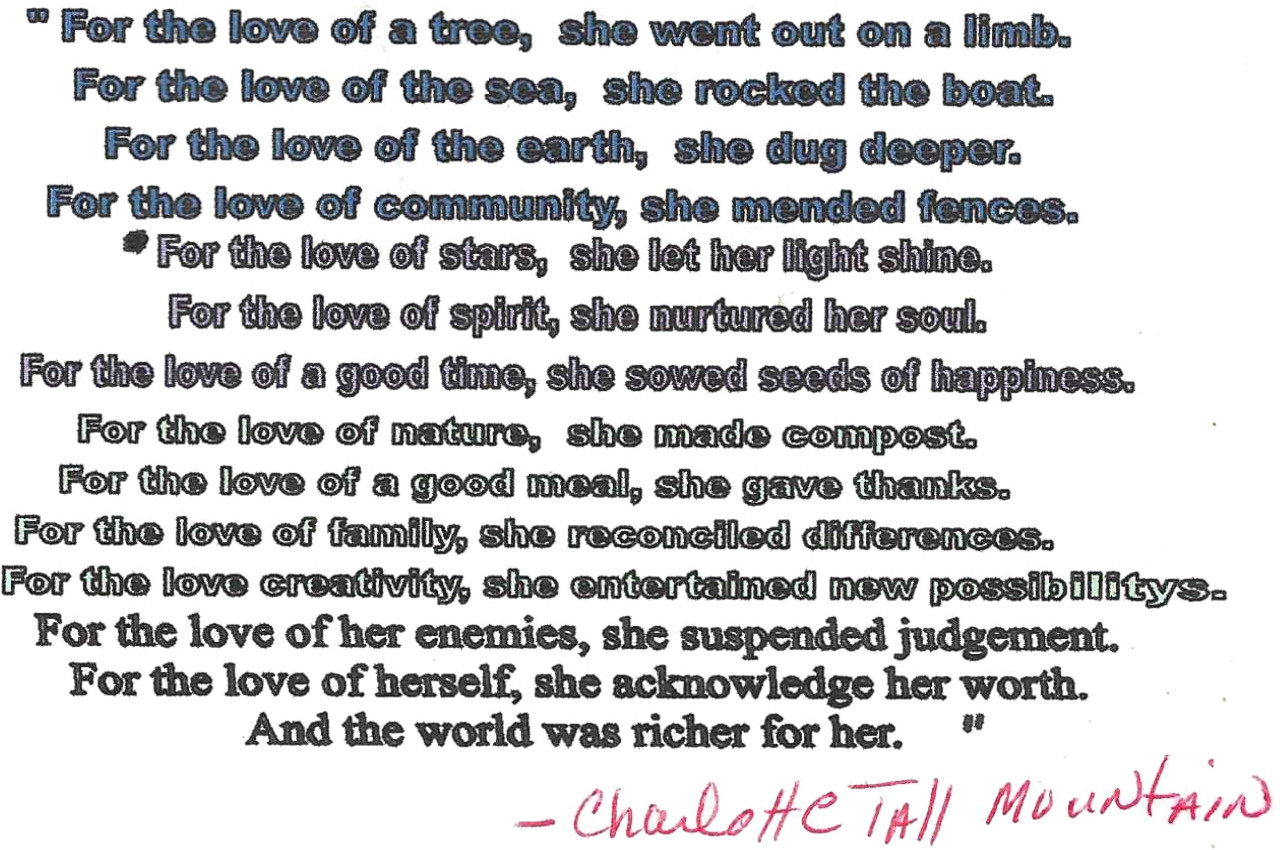
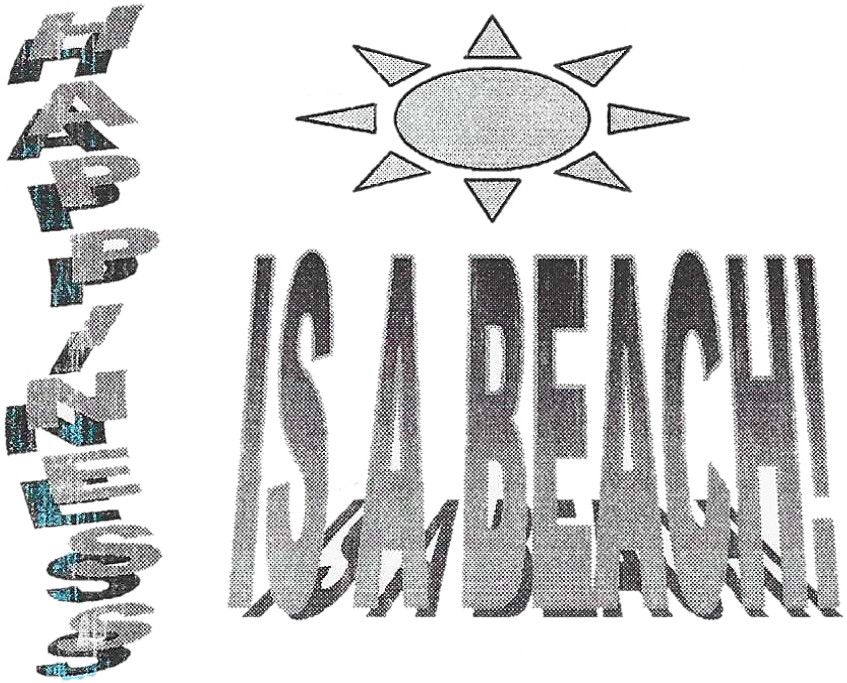
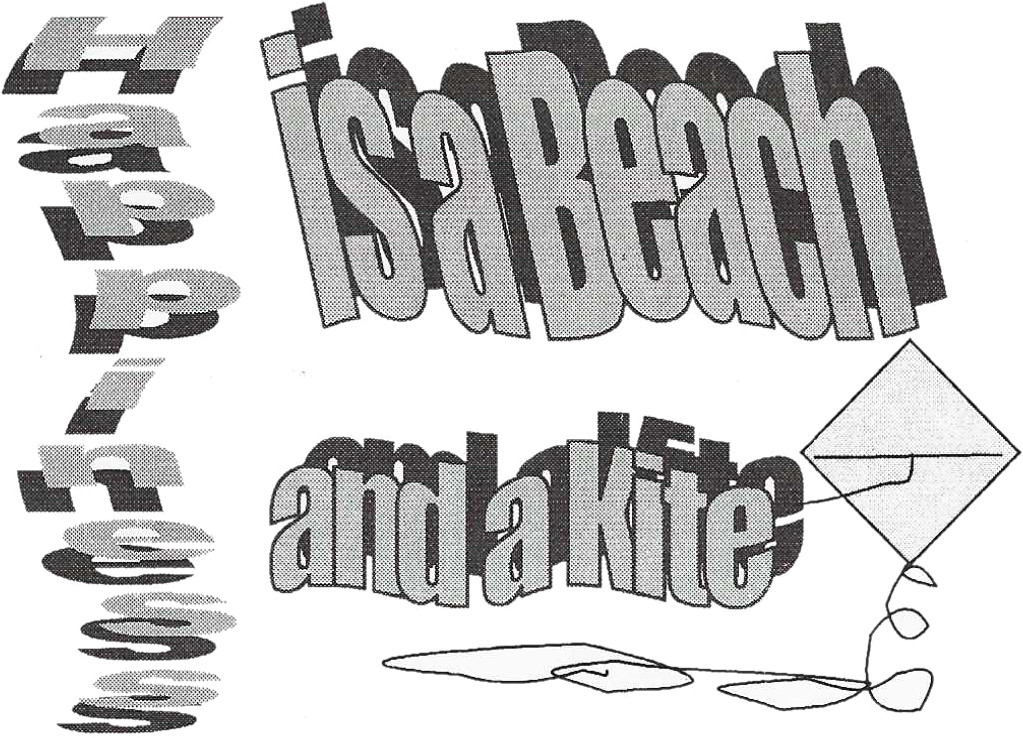
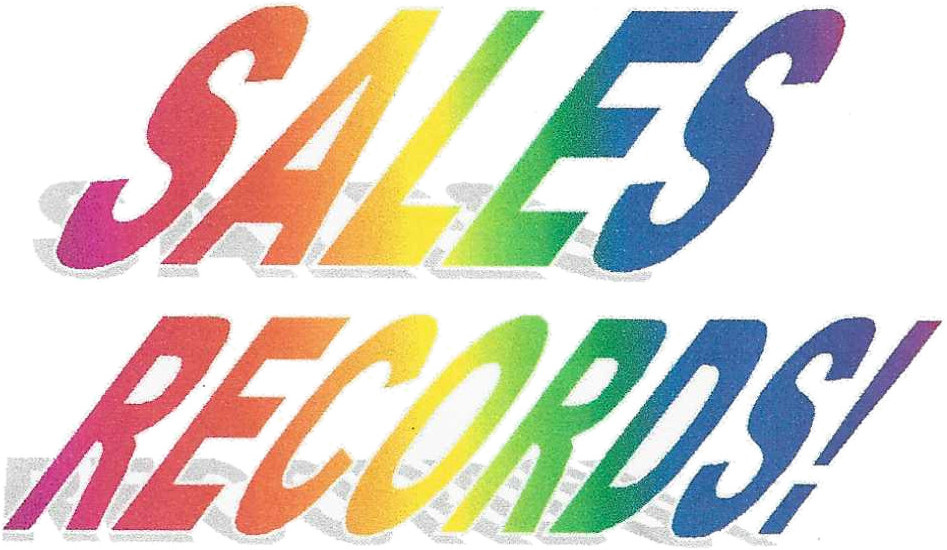
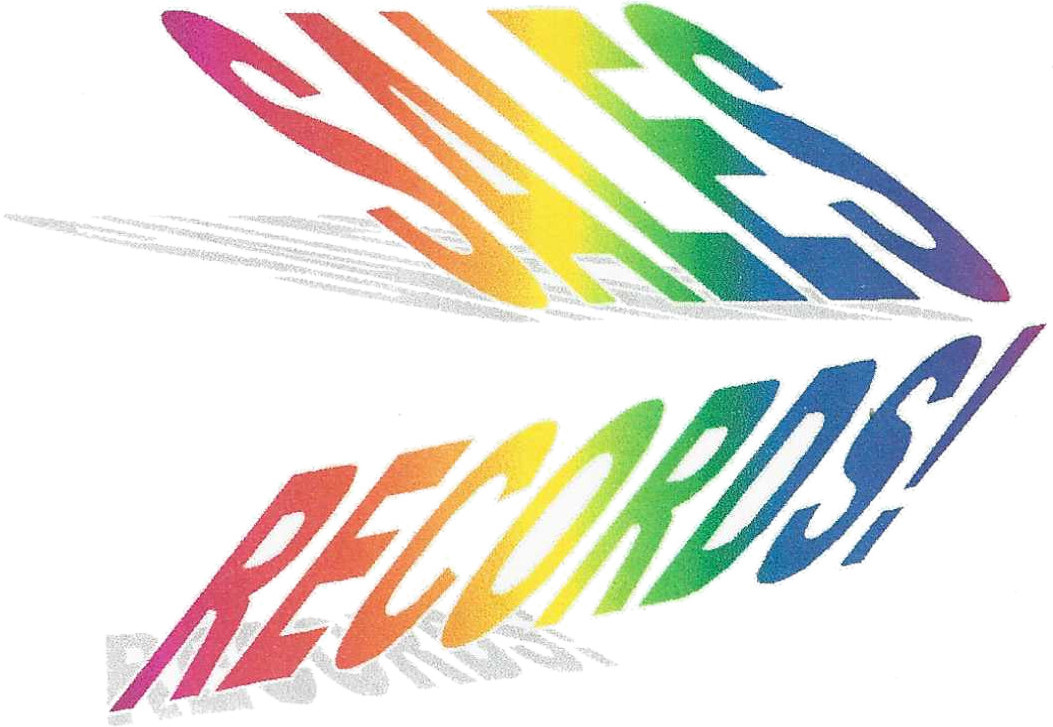
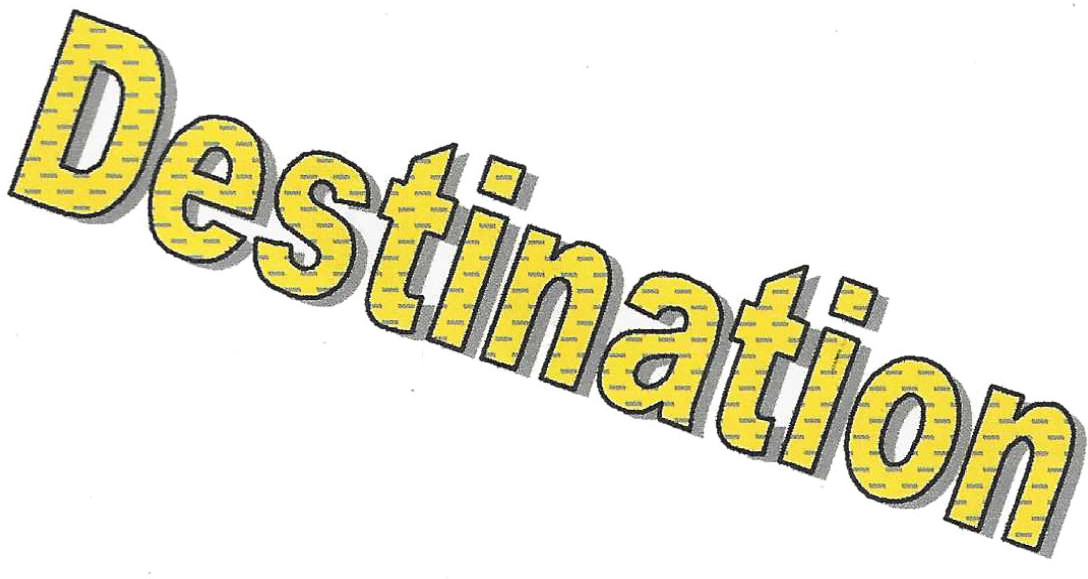
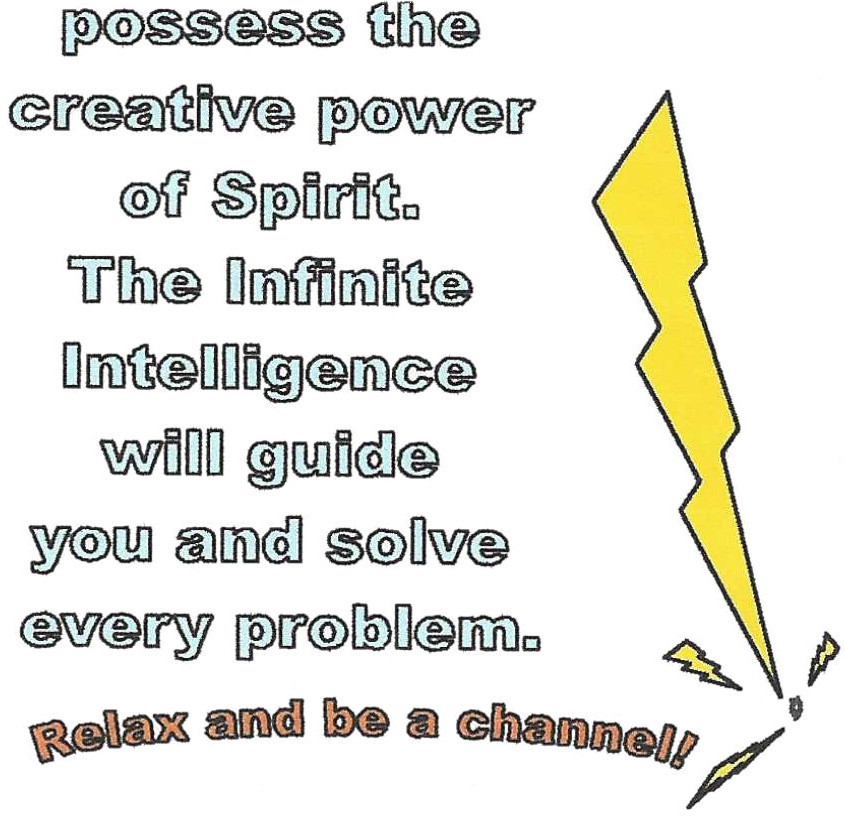
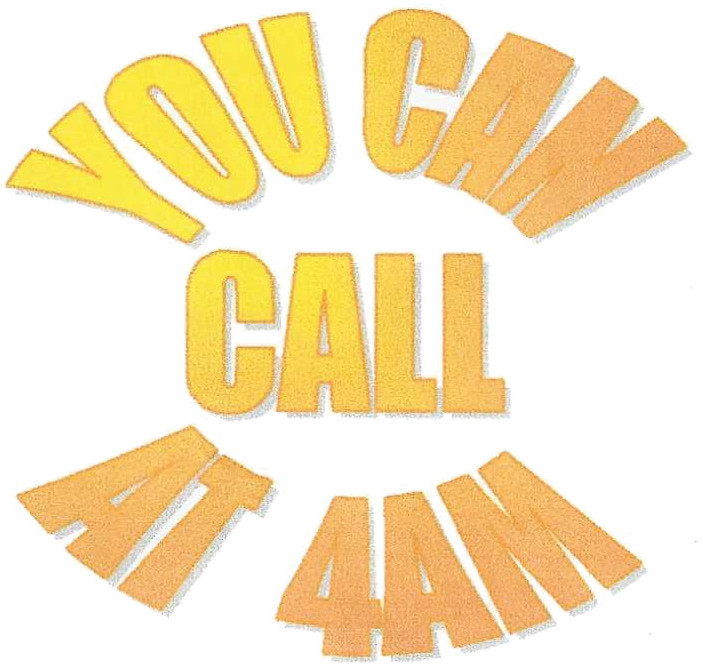
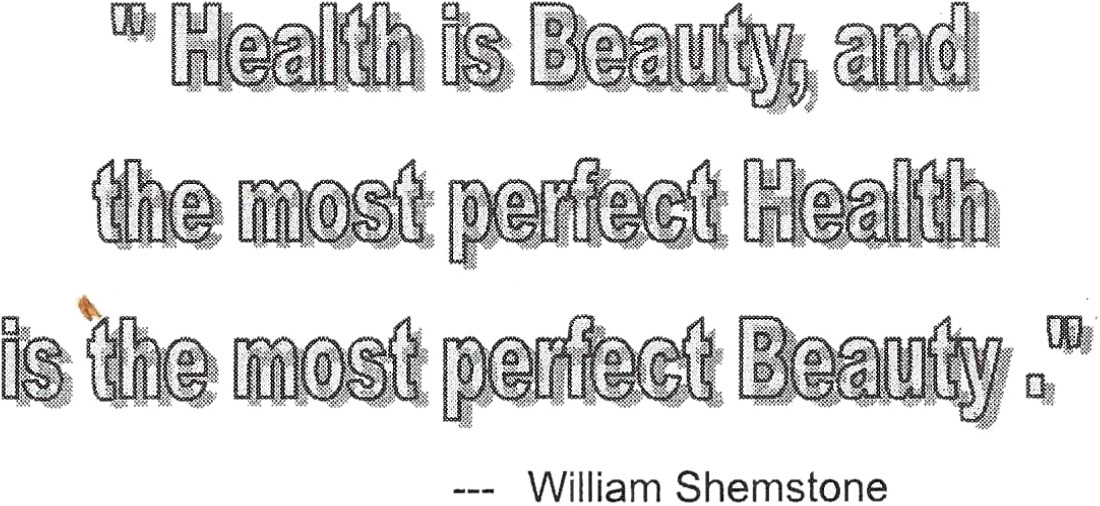
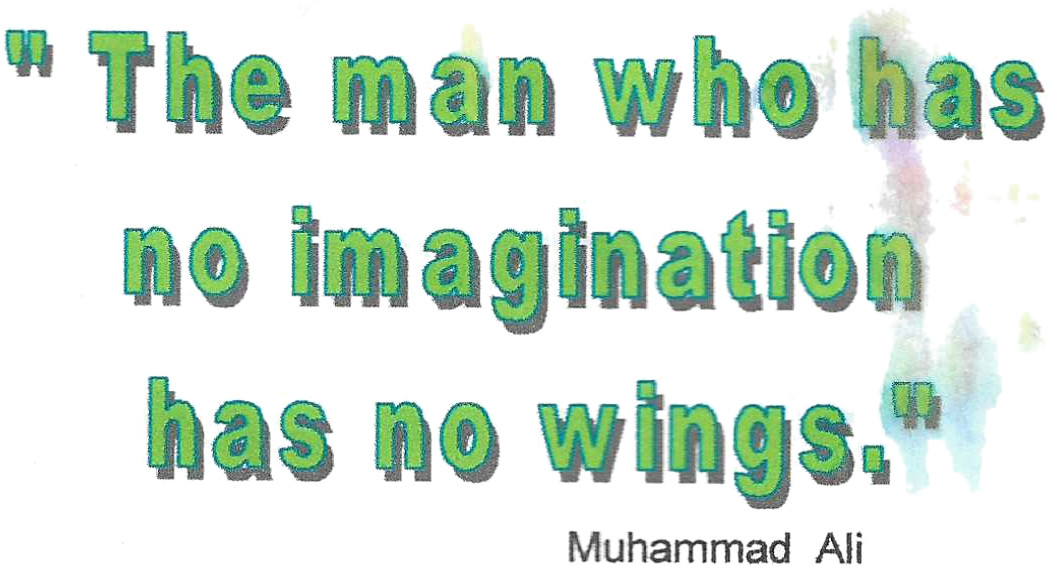
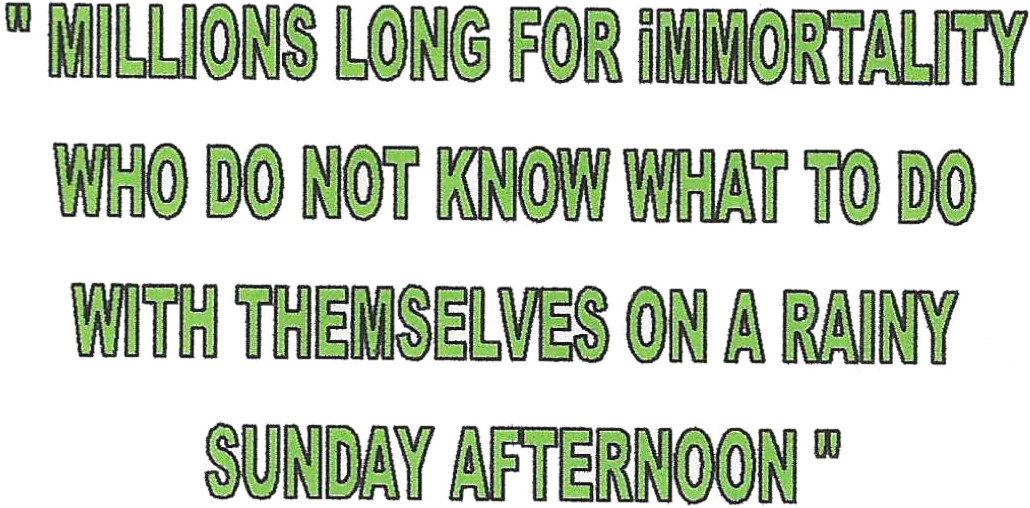
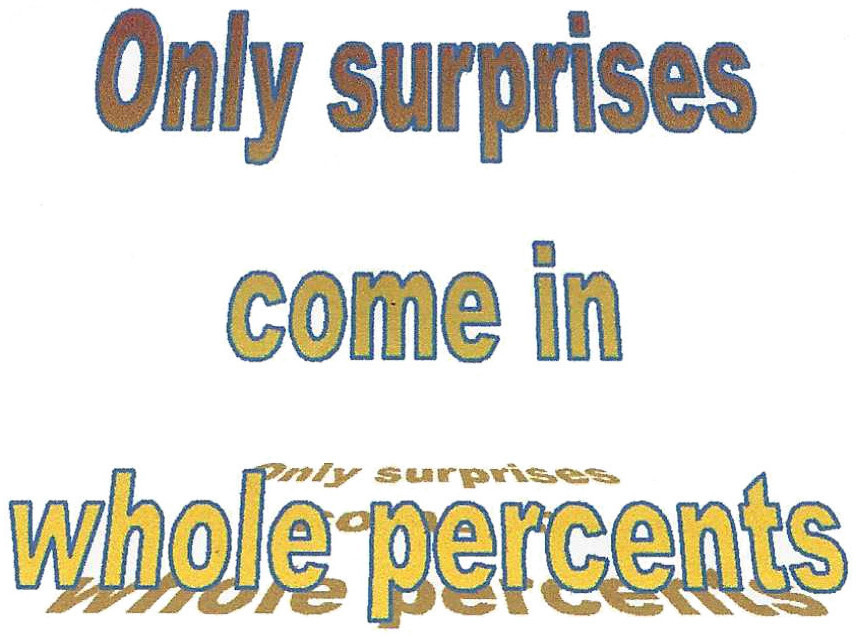
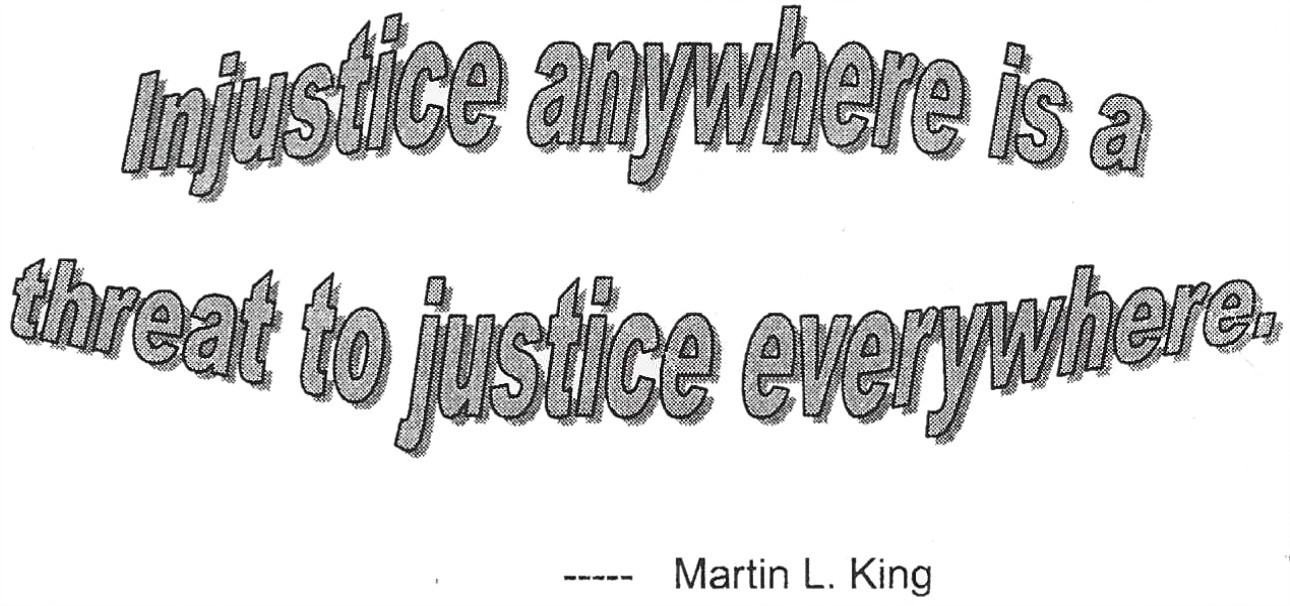
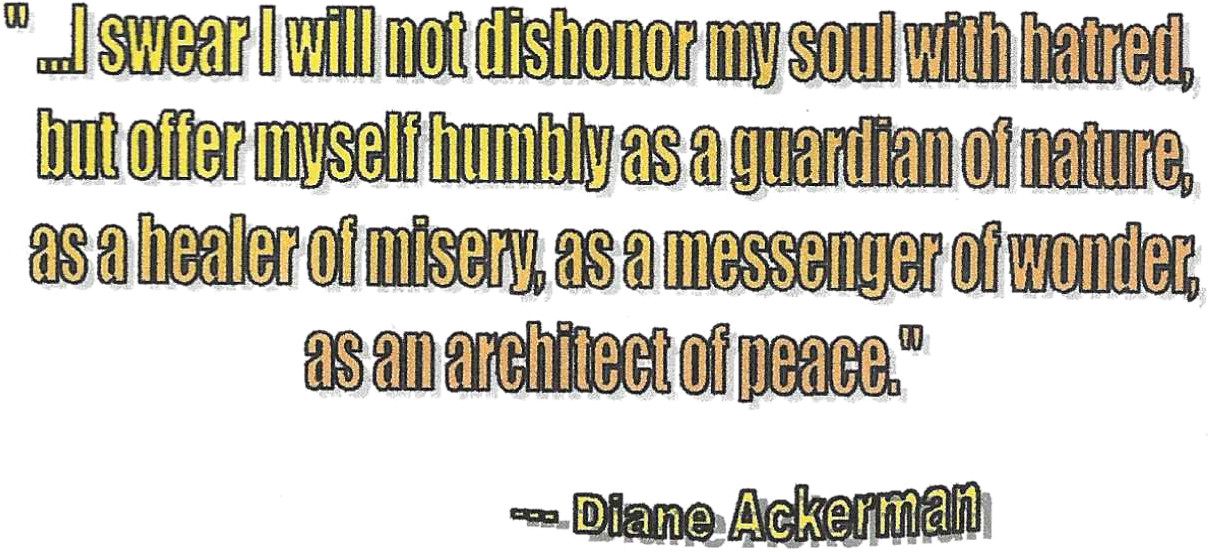
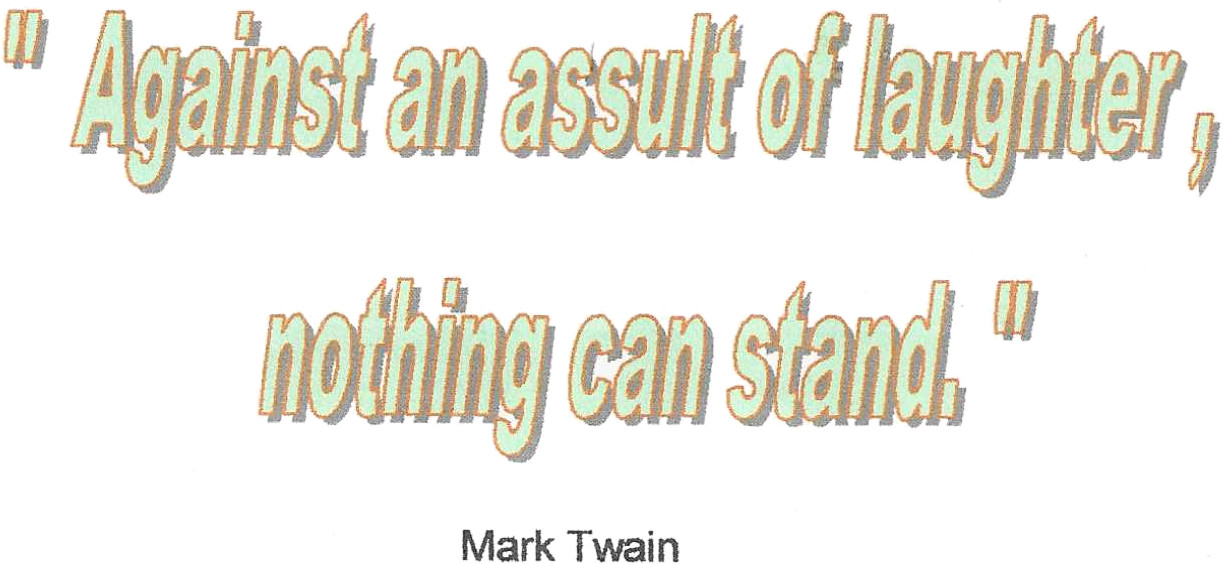
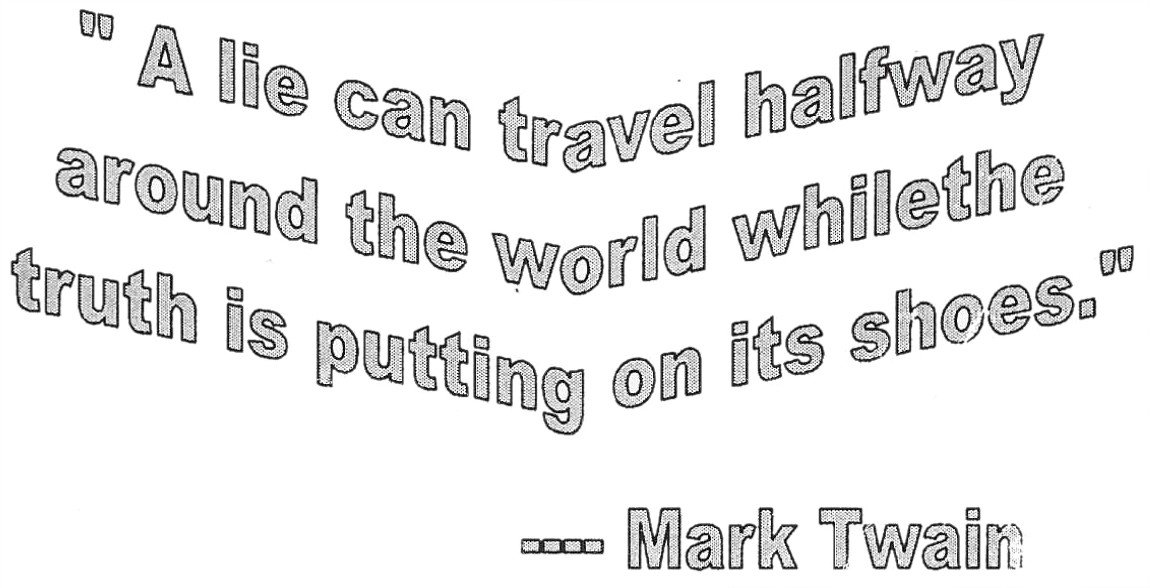
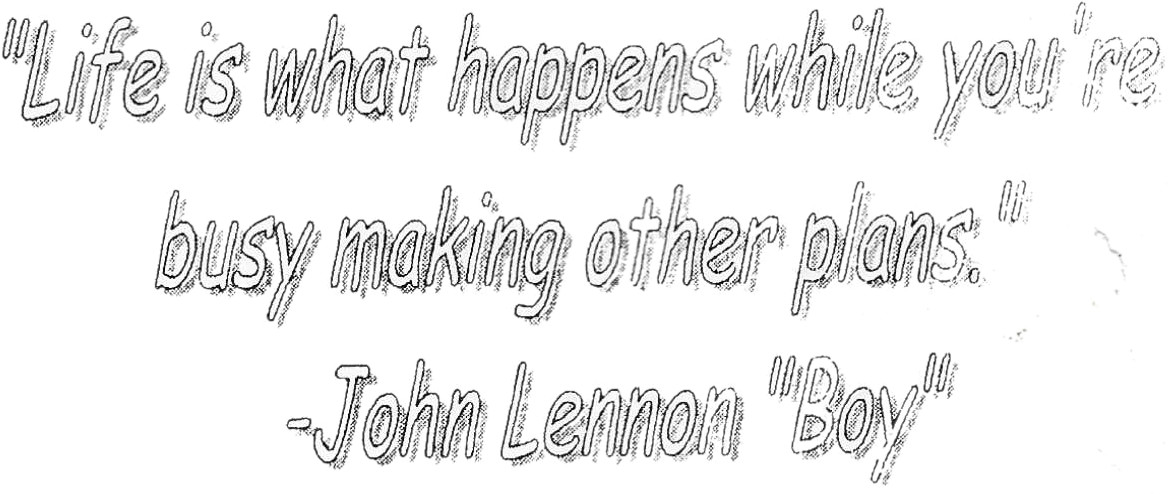
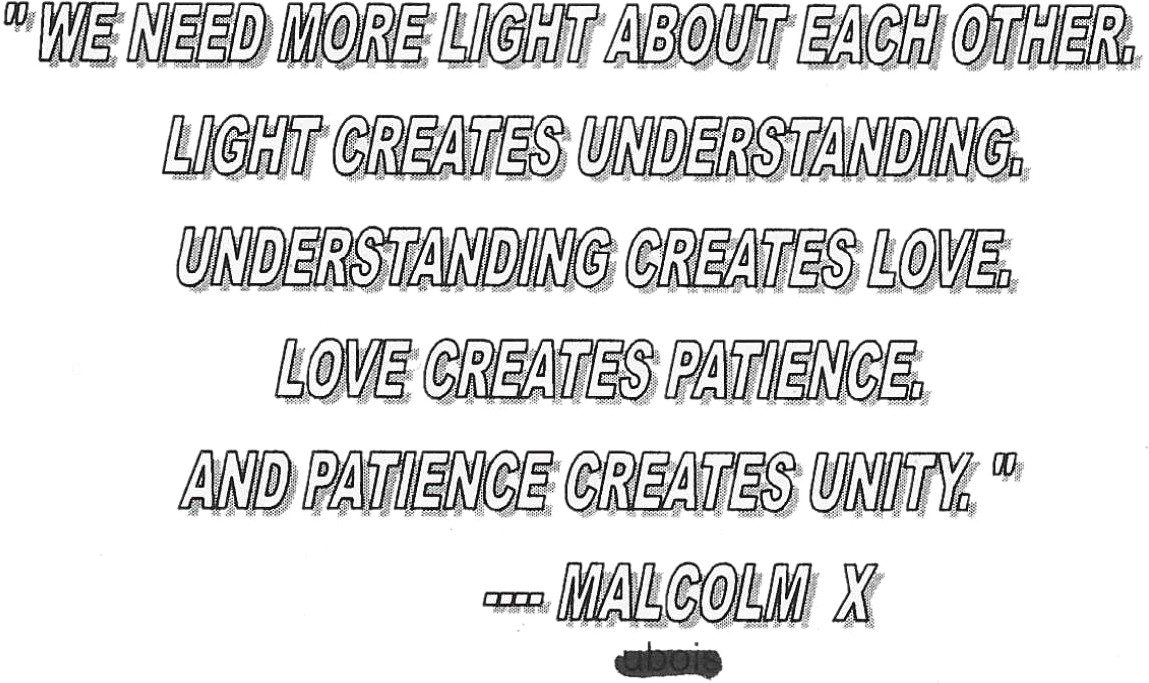
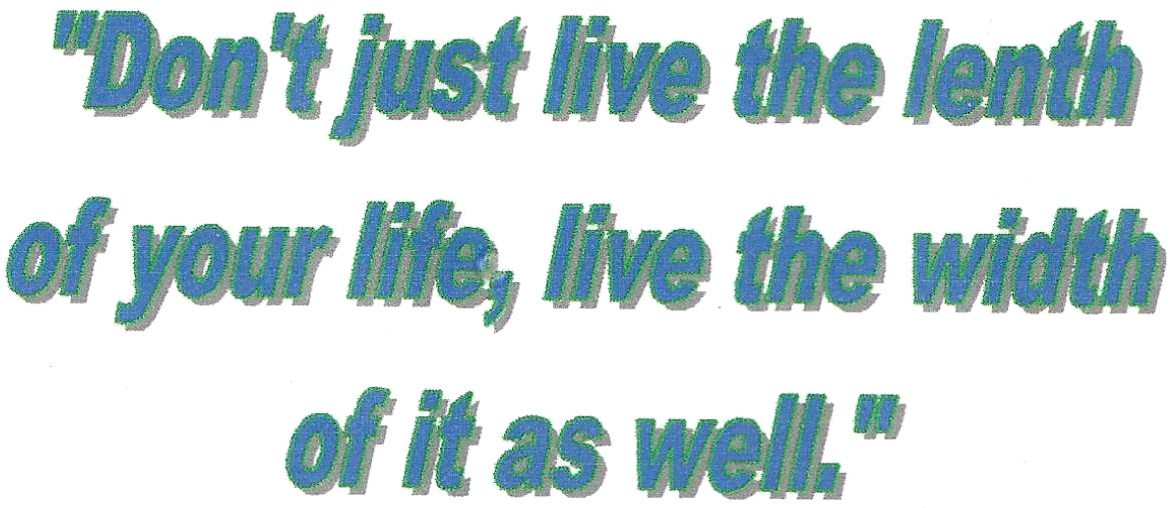
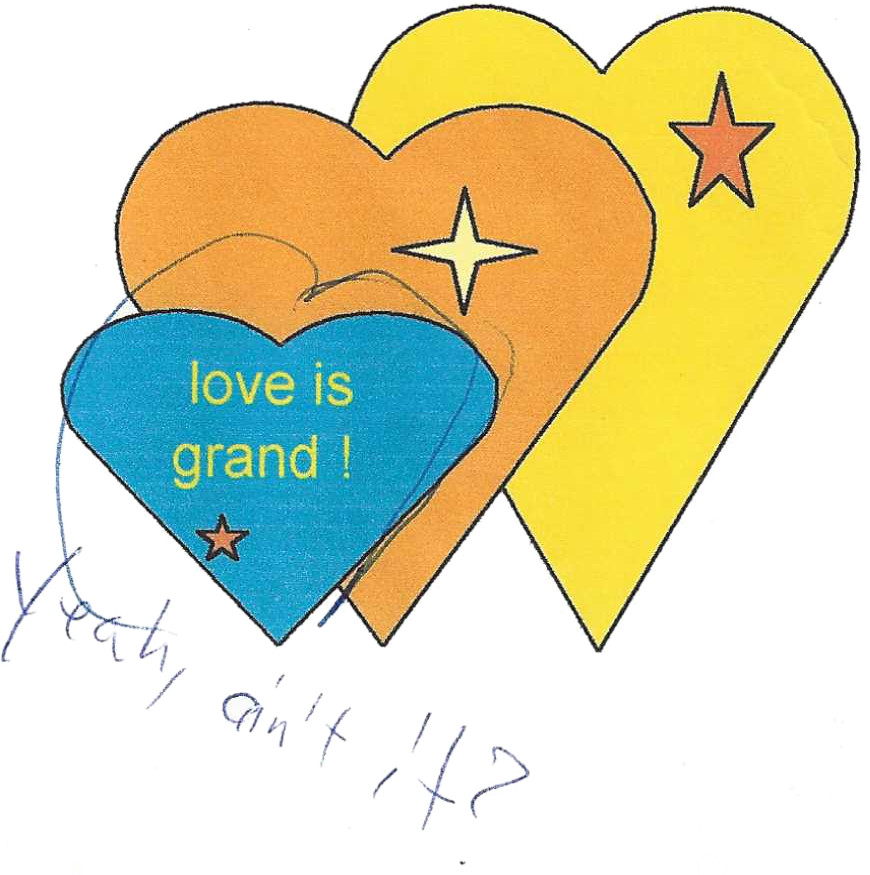
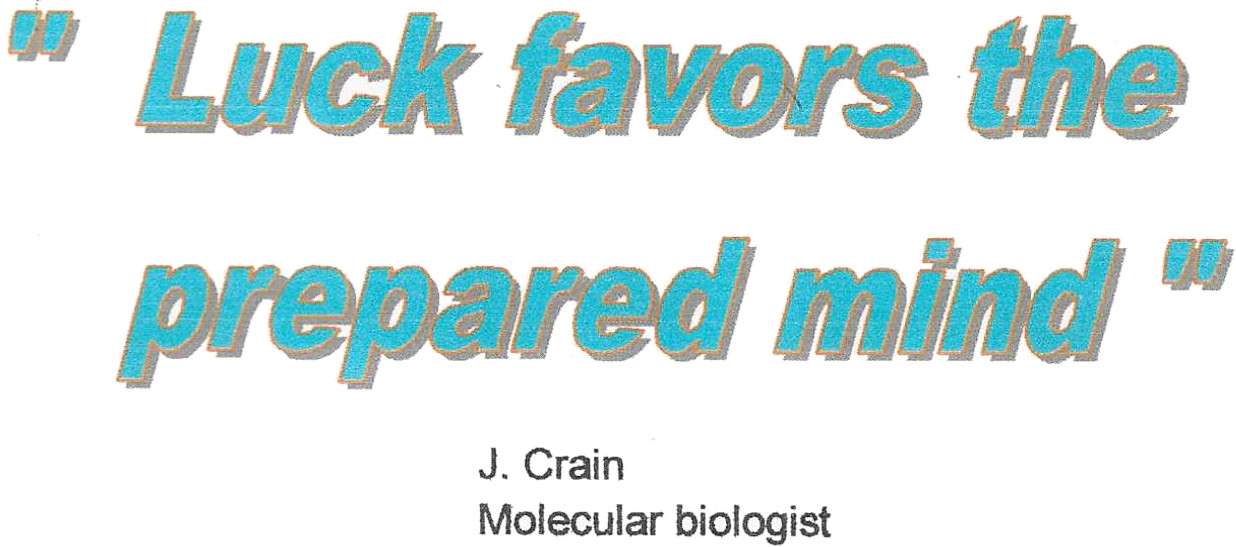
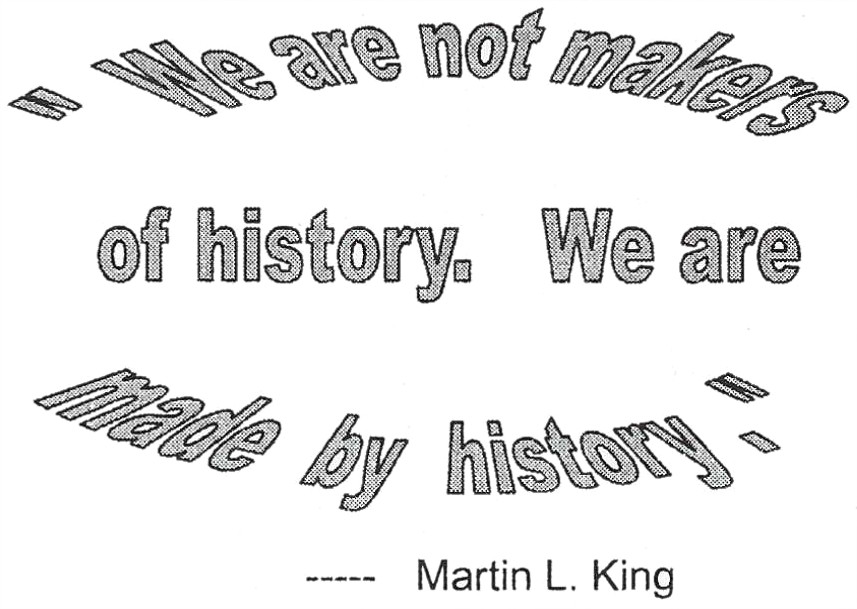
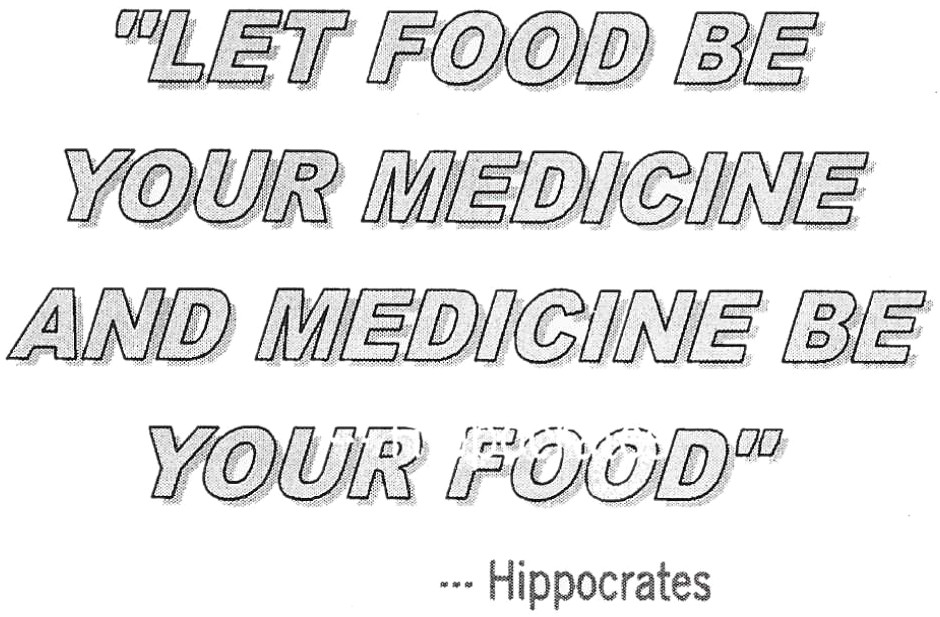
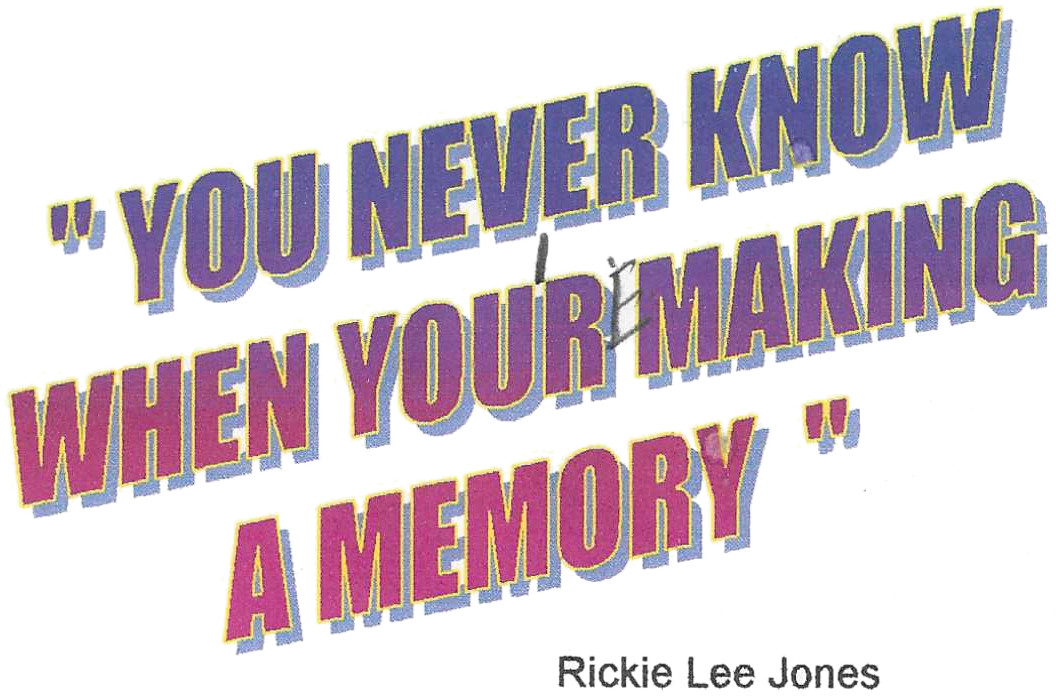
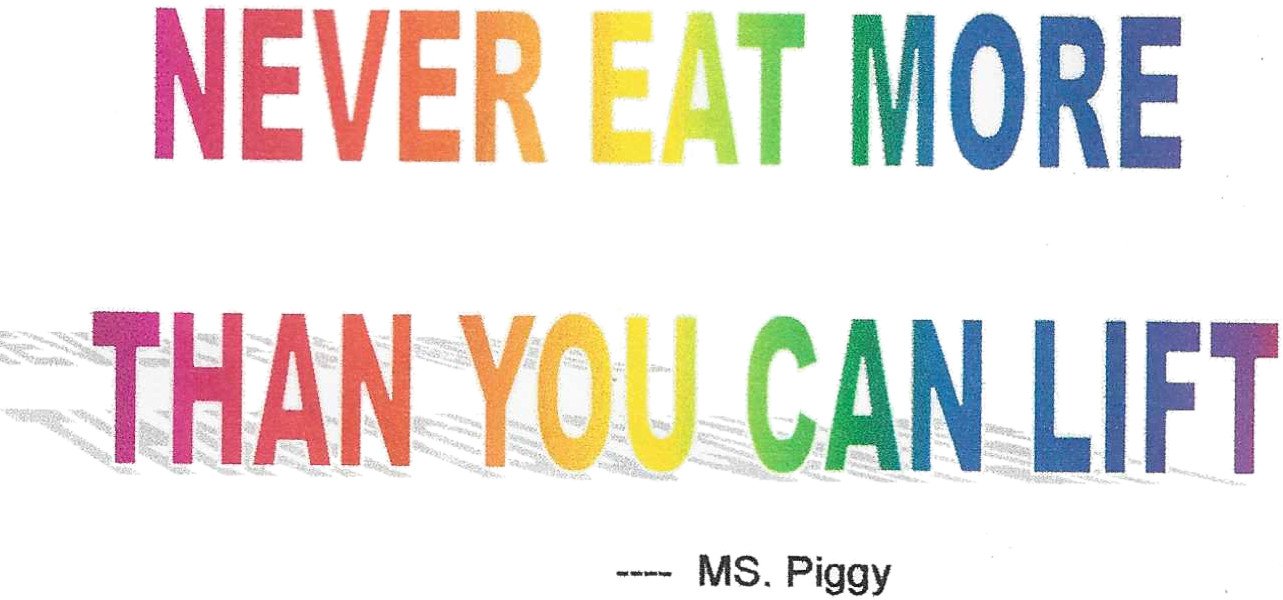
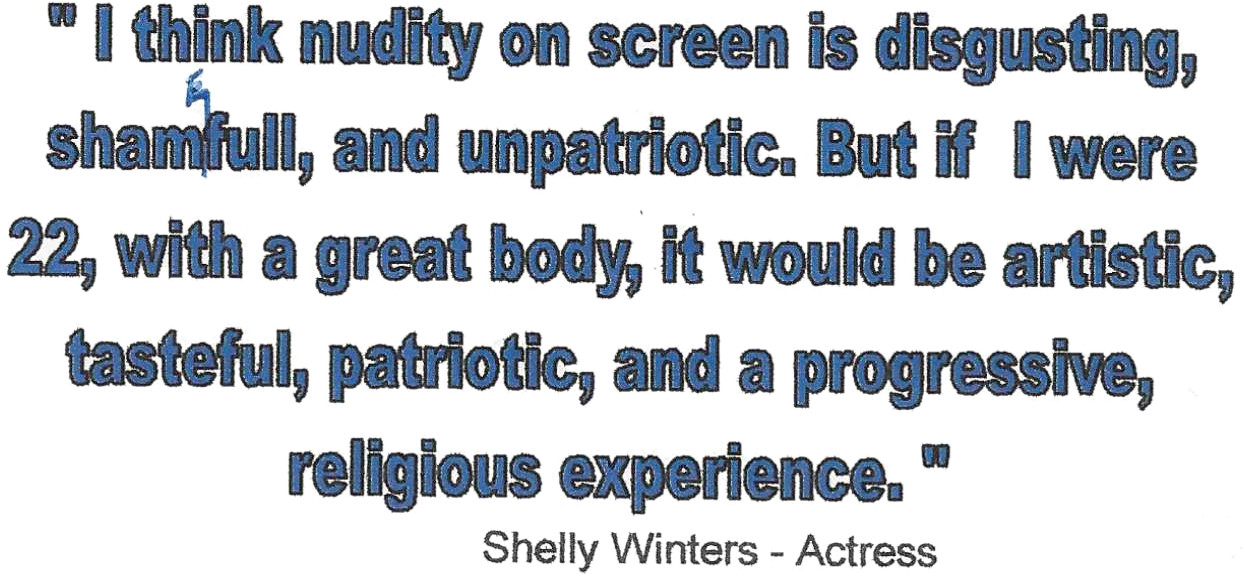
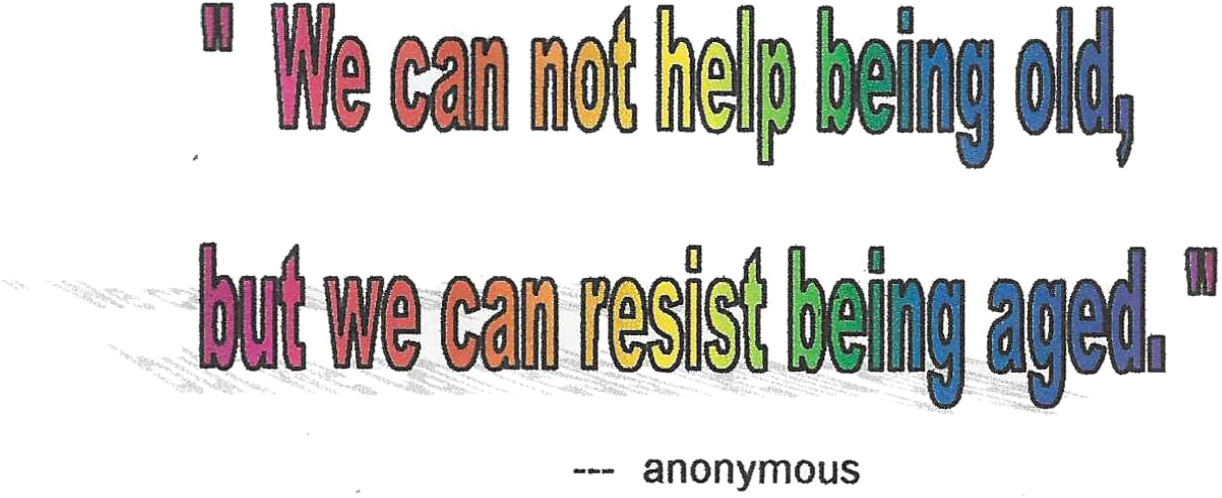
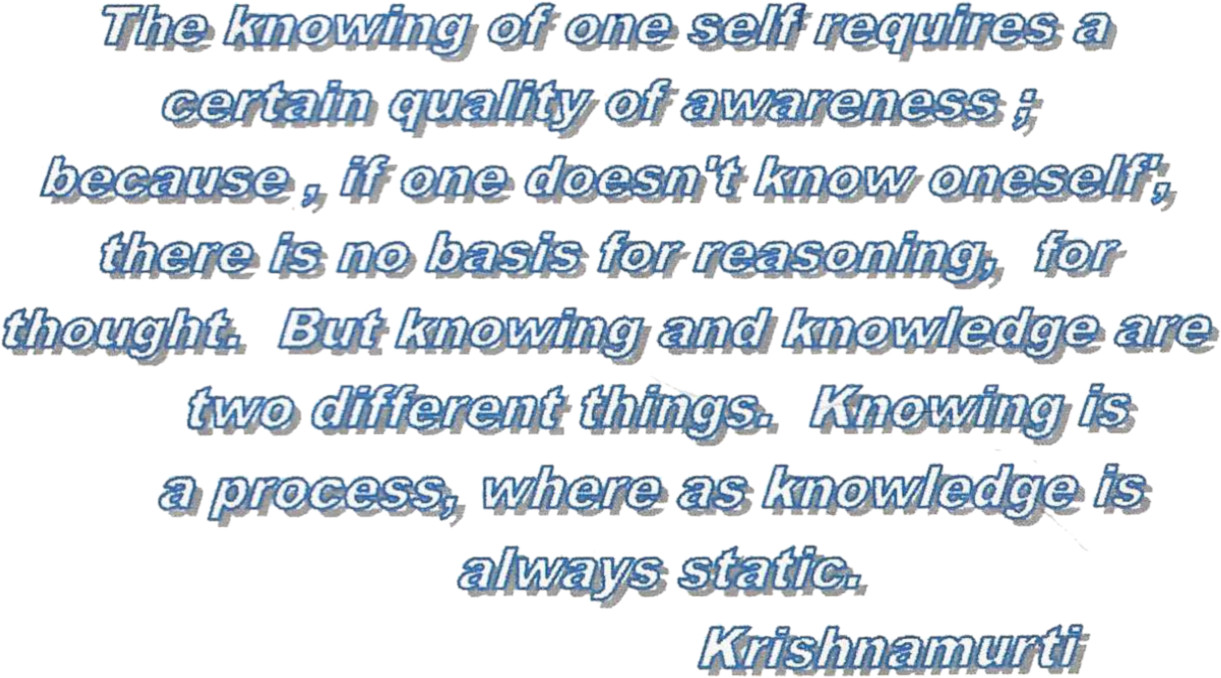
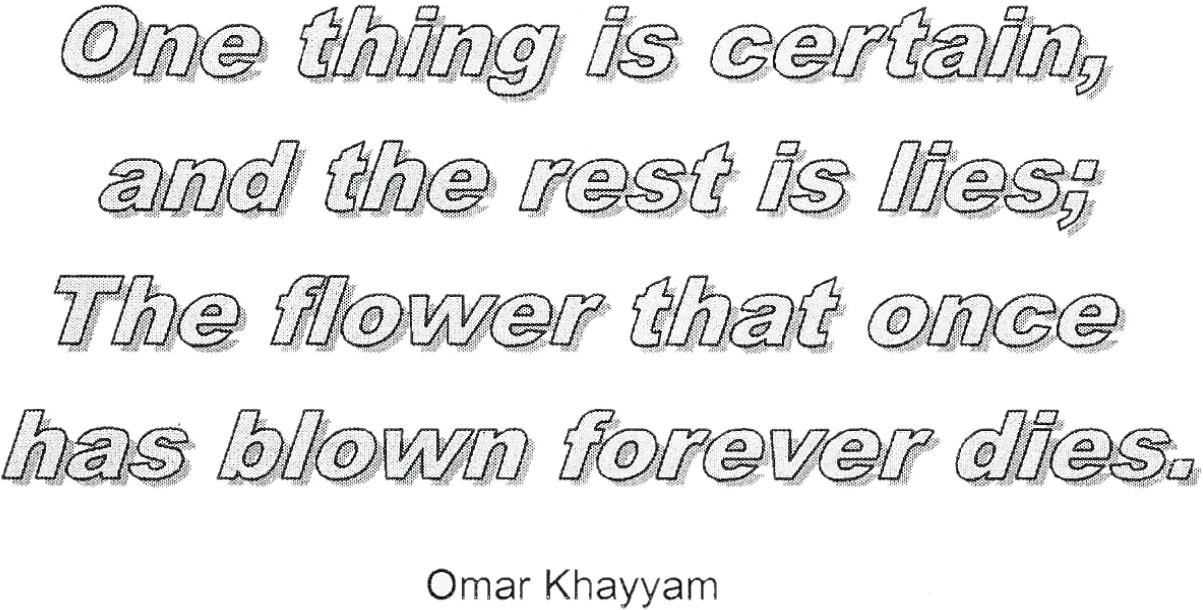
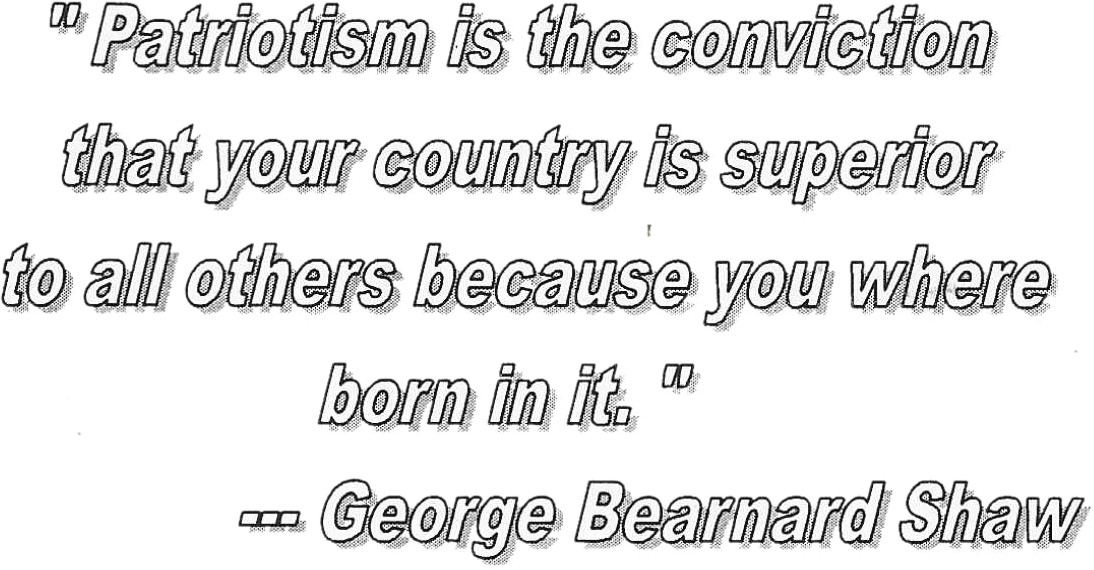
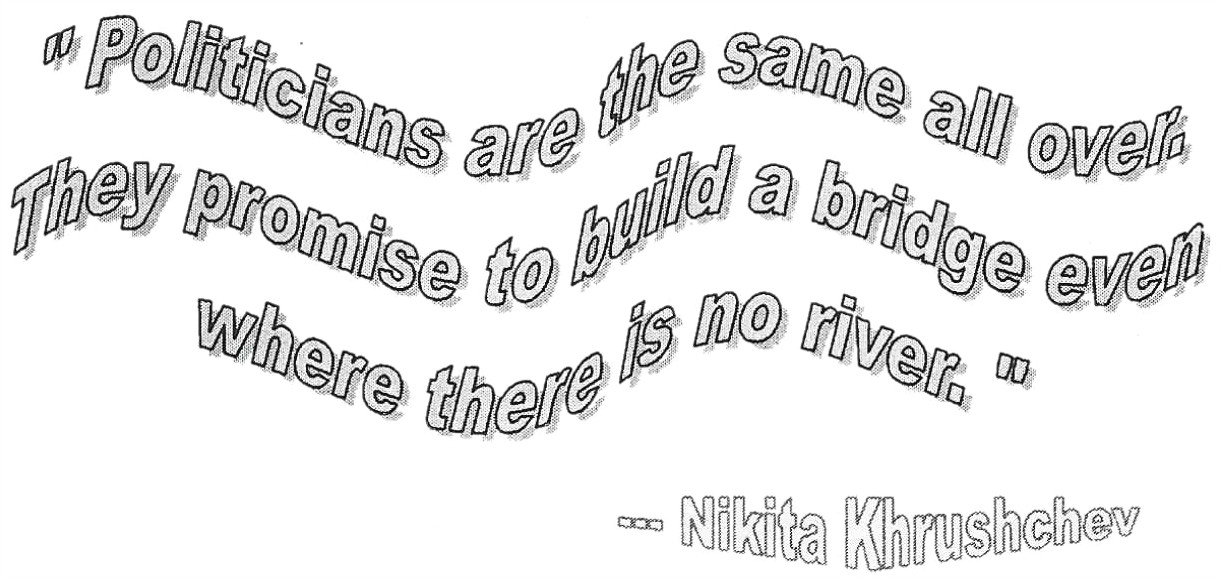
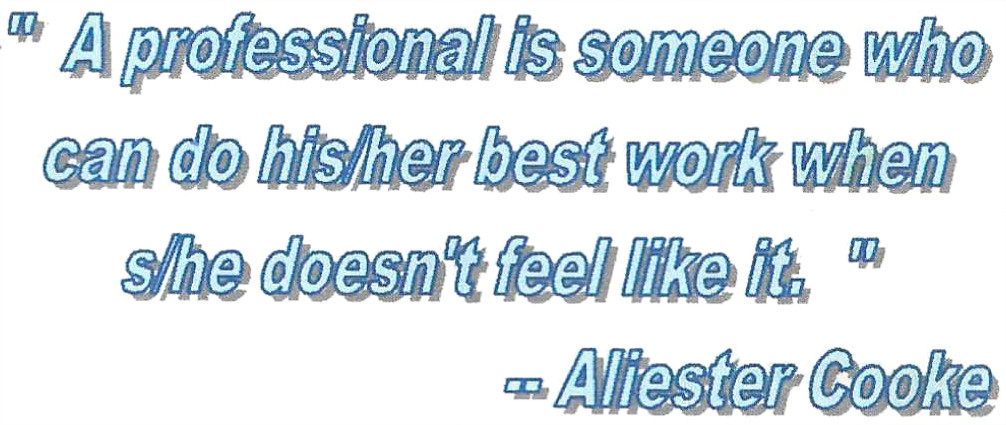
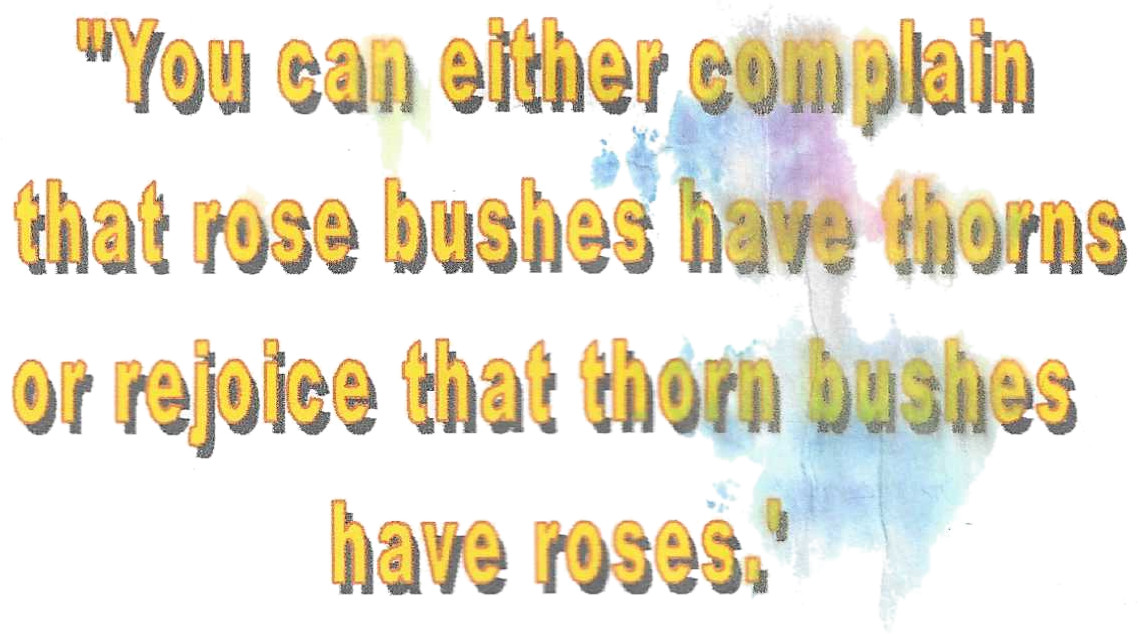
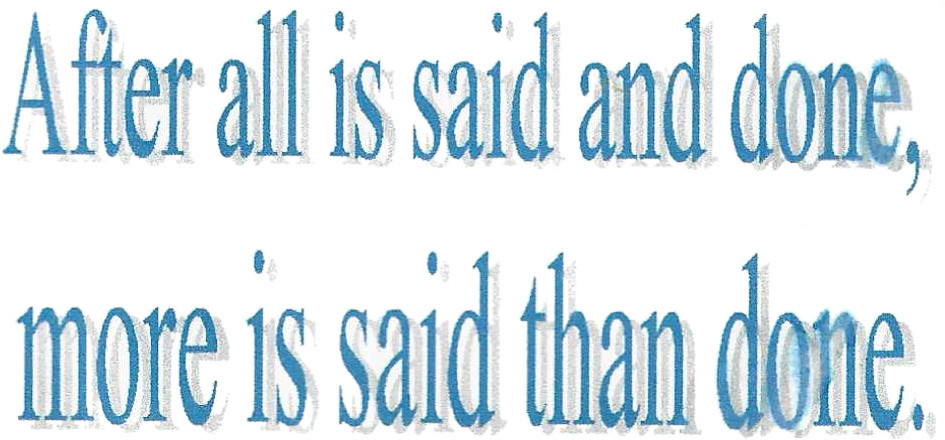
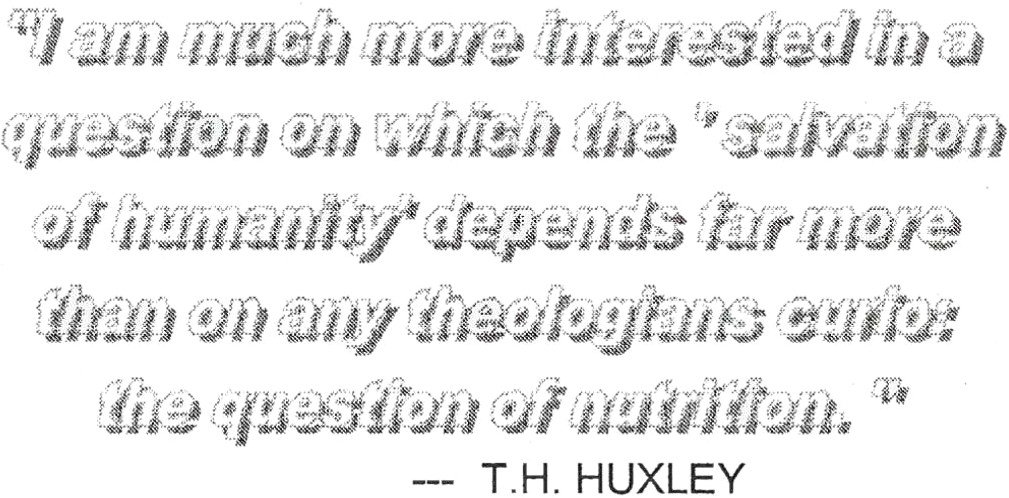
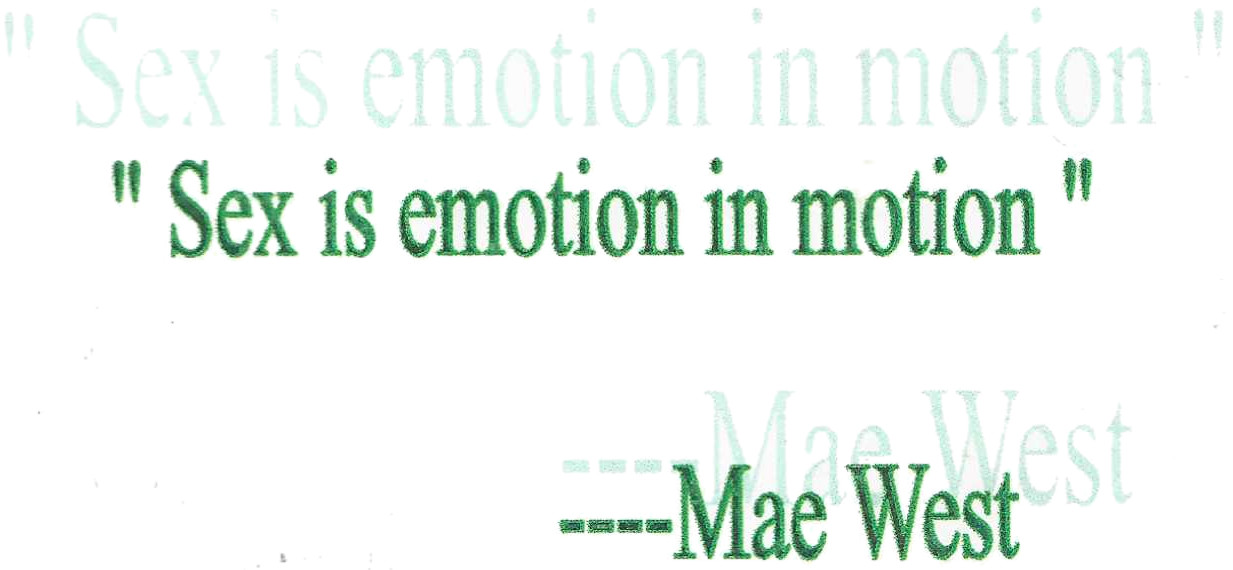
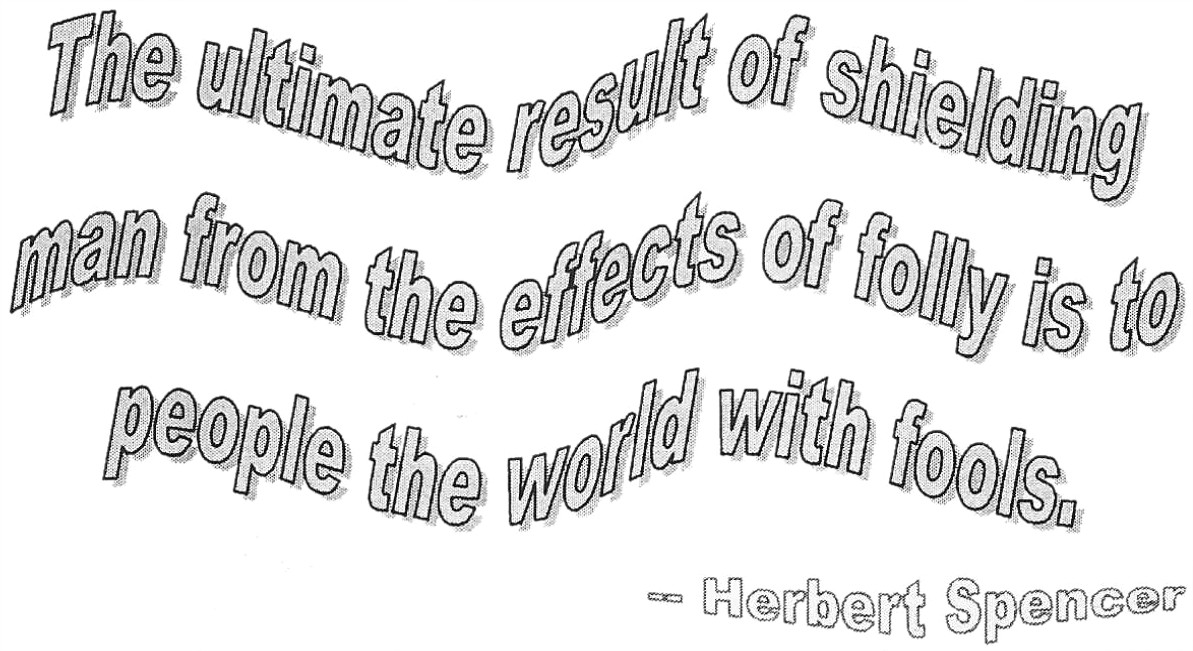
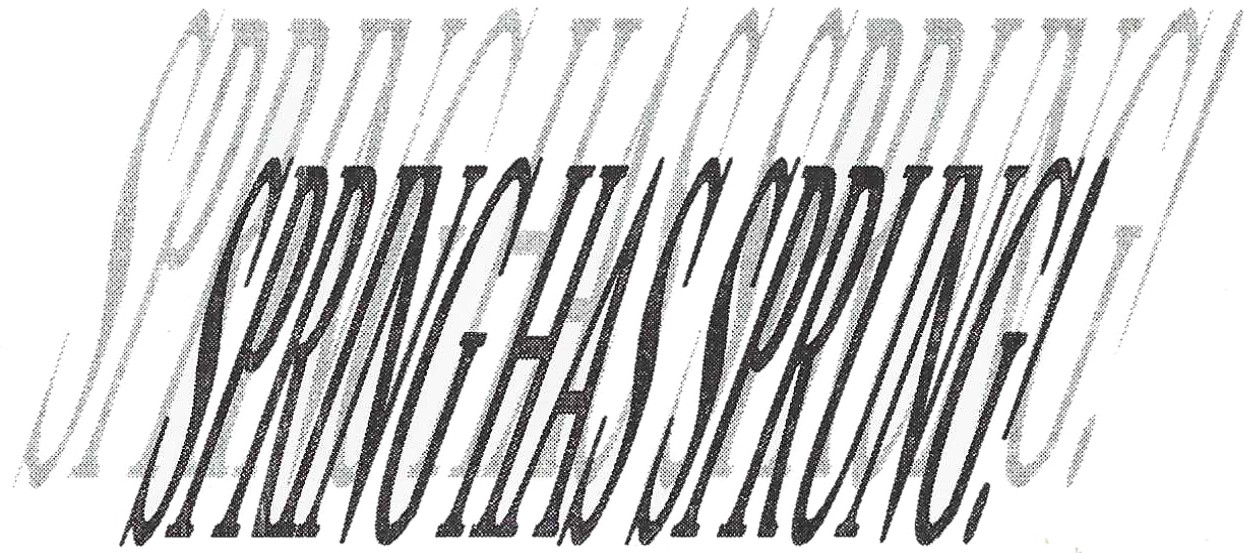
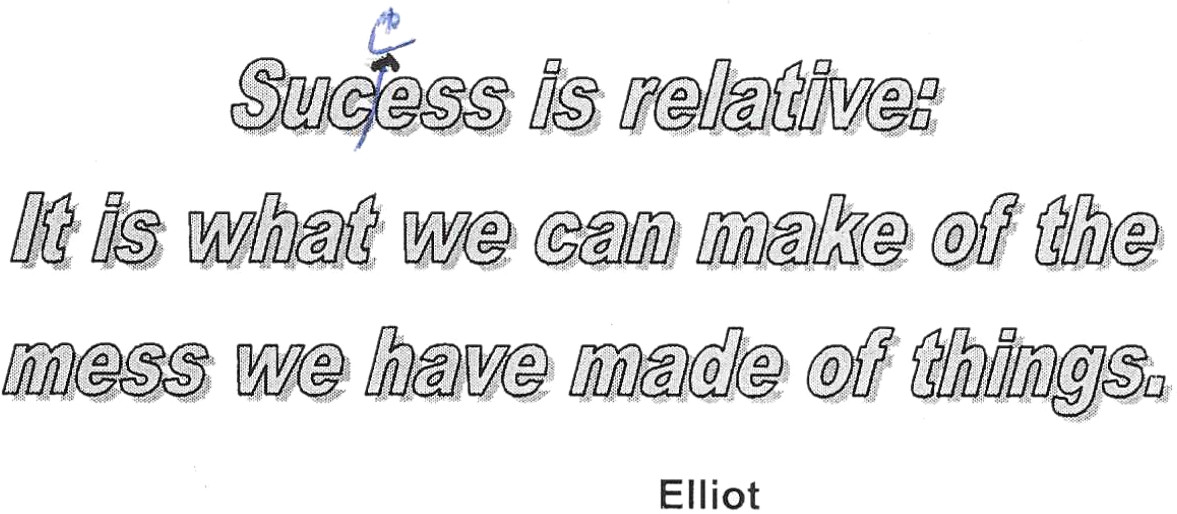
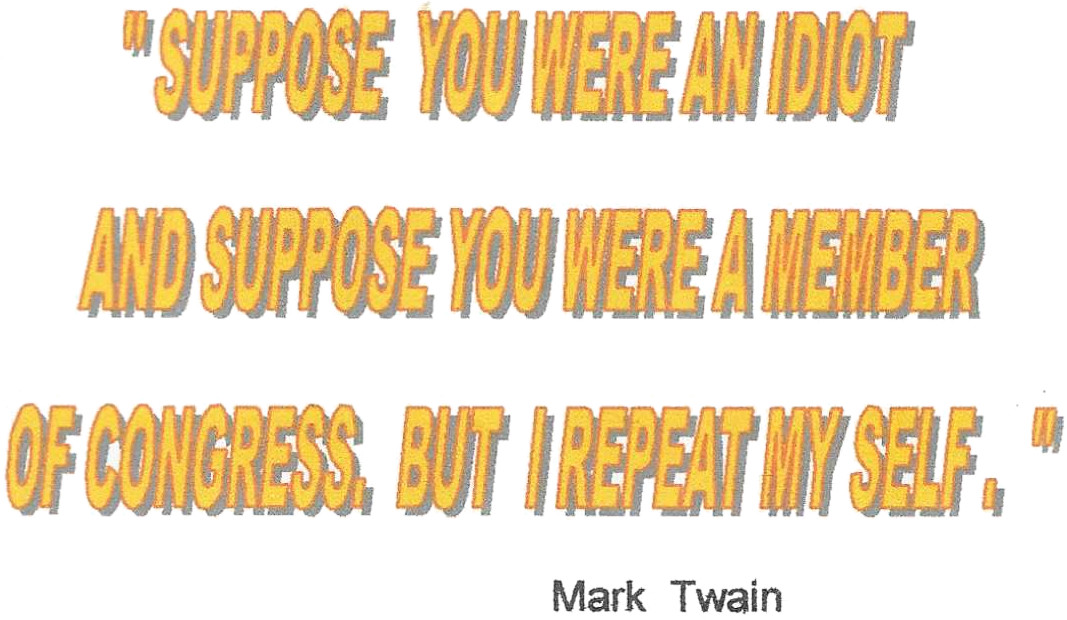
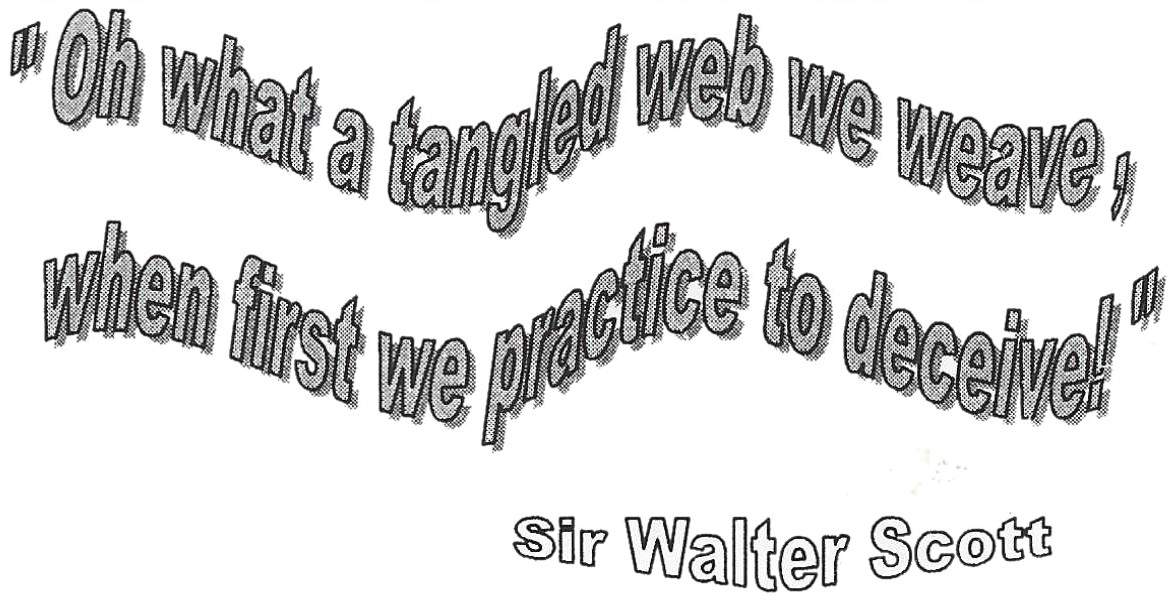
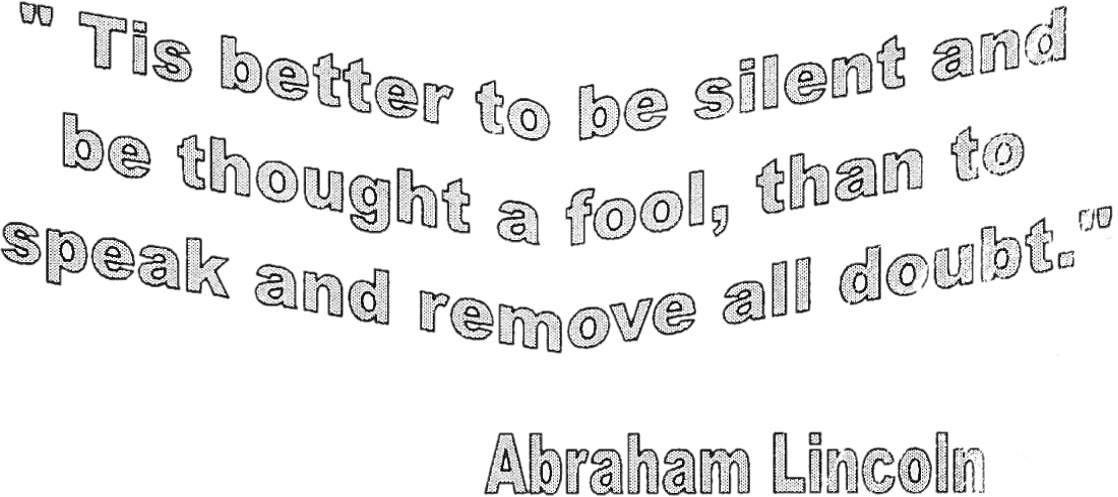
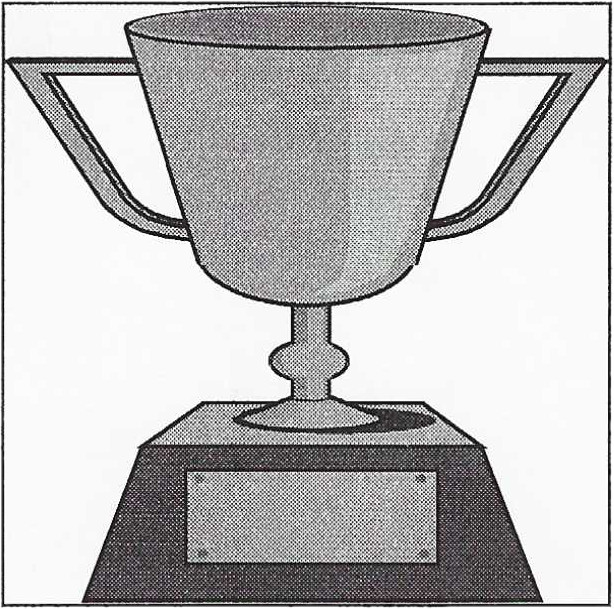
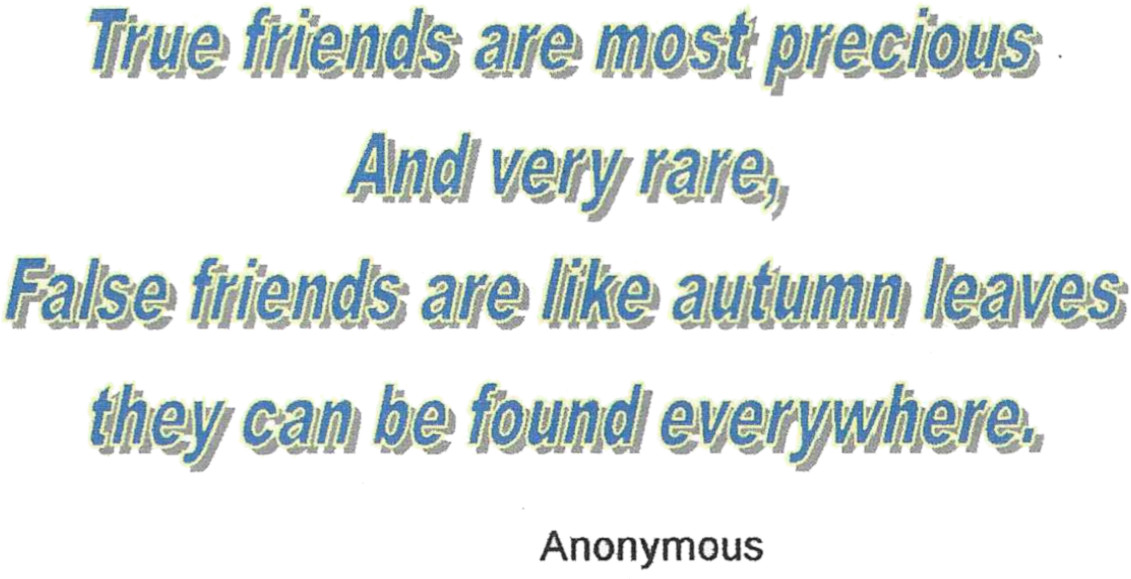
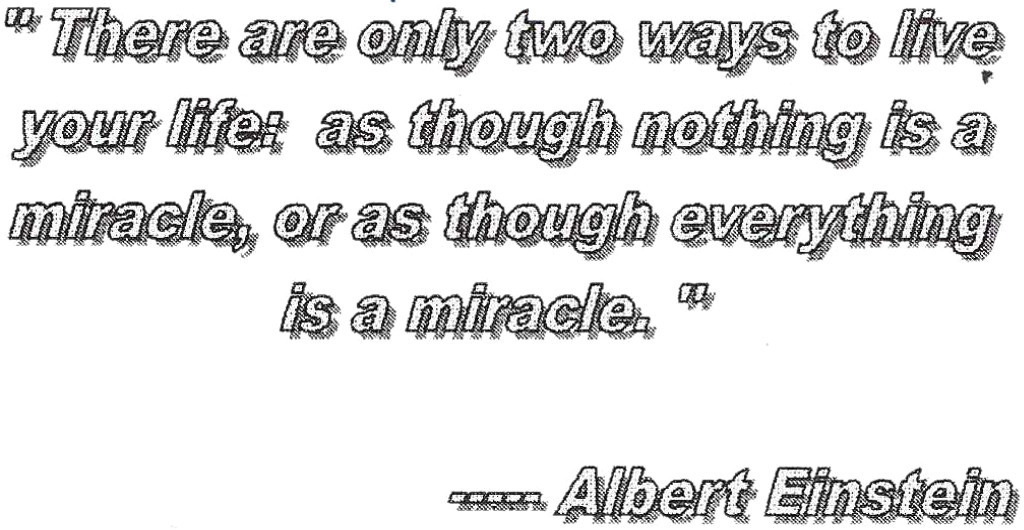
One such example - or rather, 105 of them - are juxtaposed around this browser window.
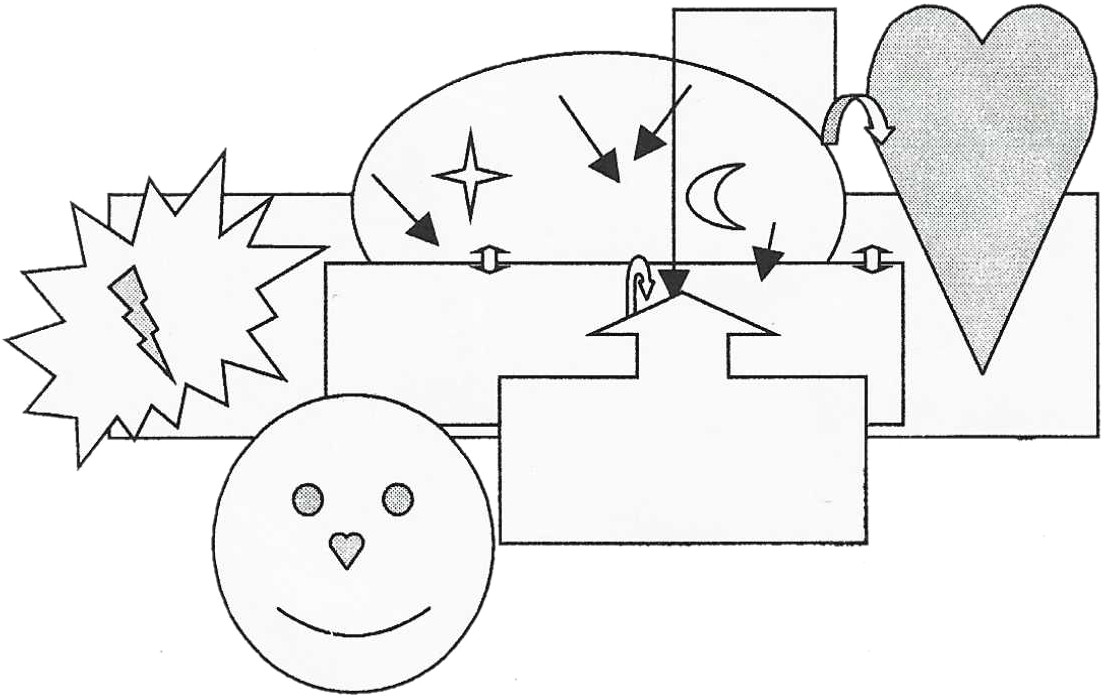
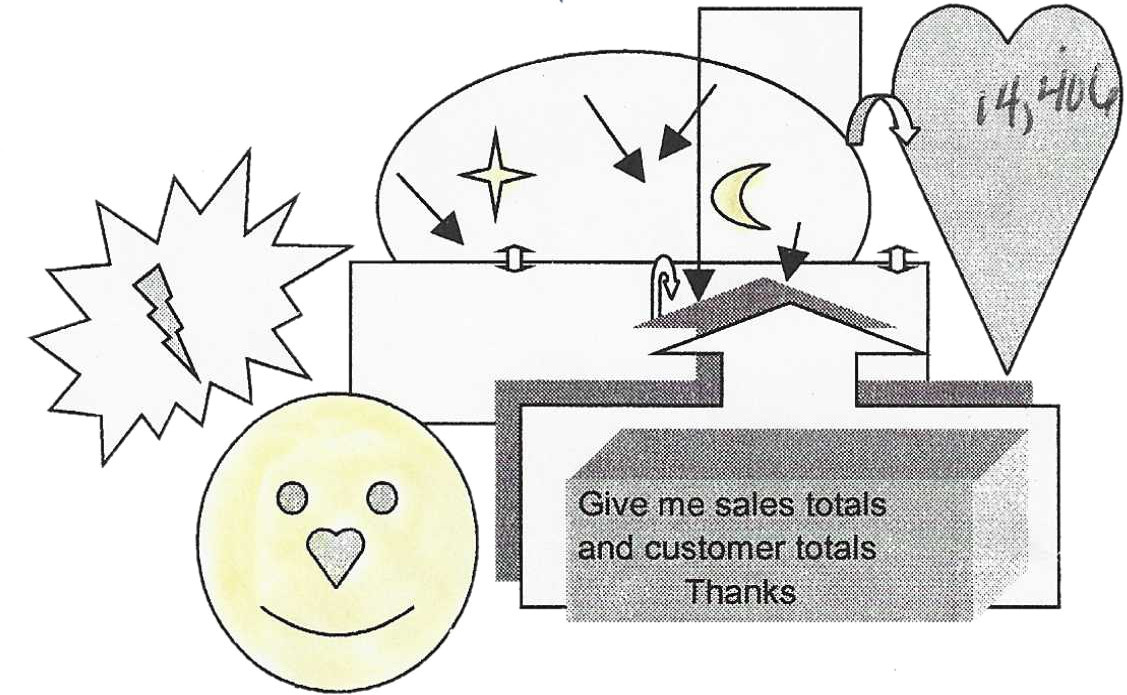
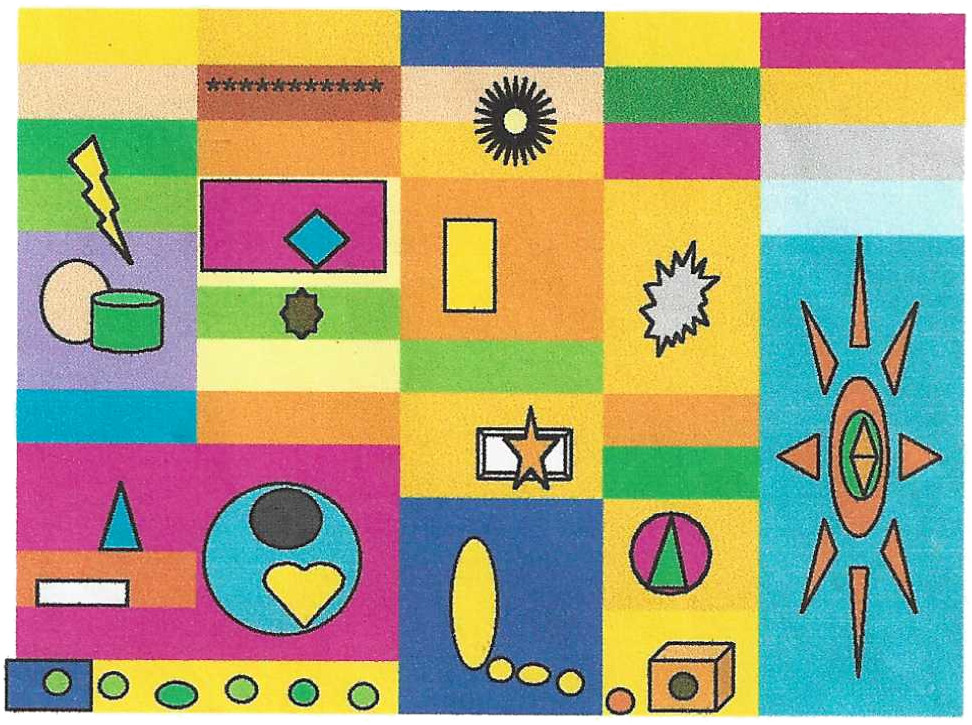
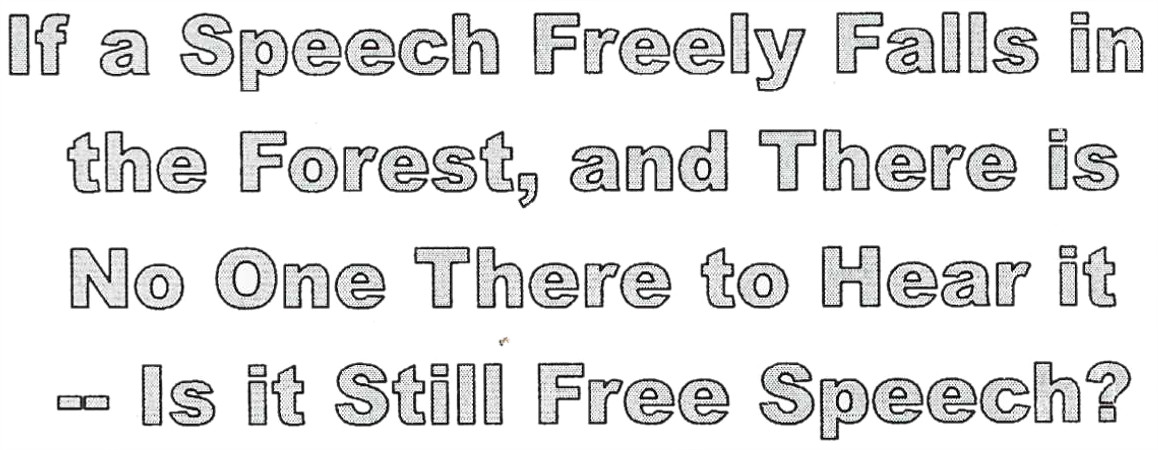
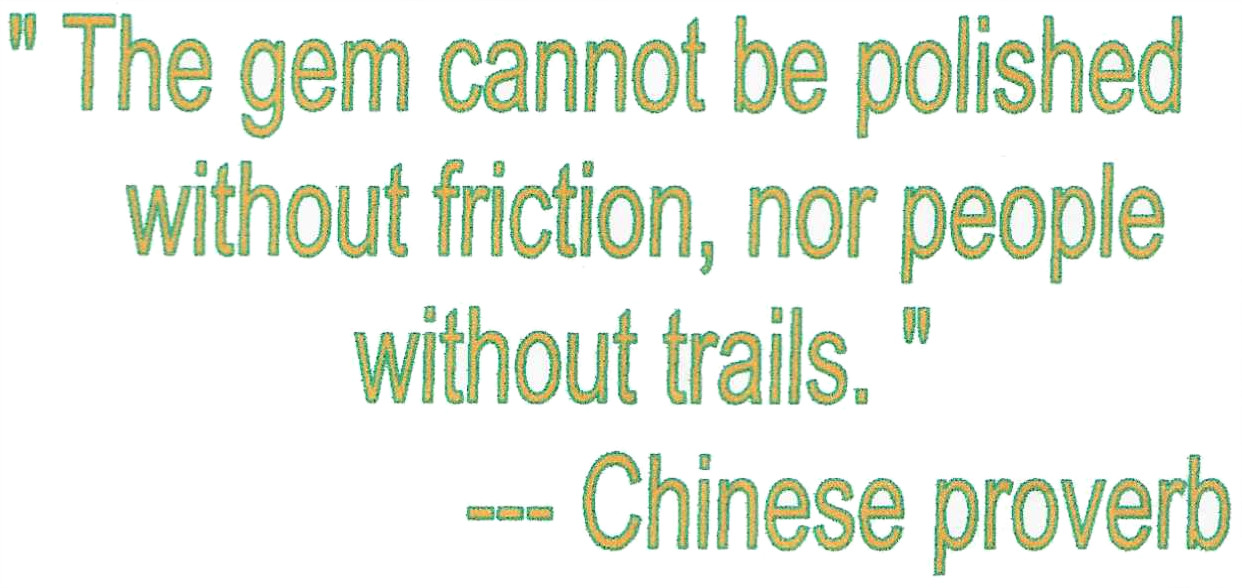
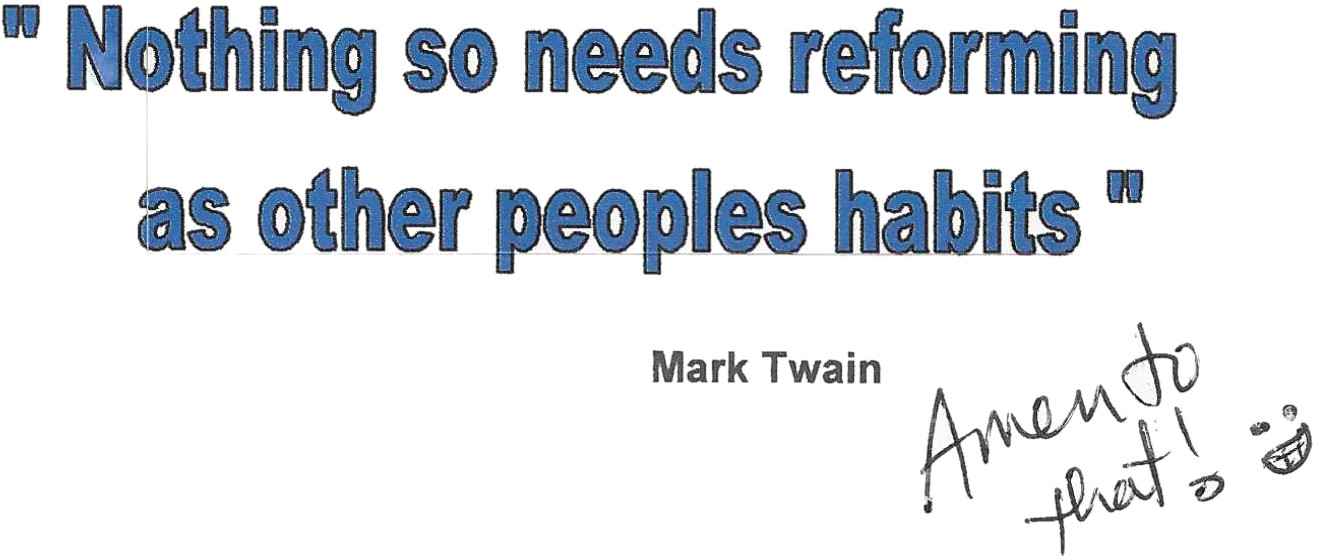
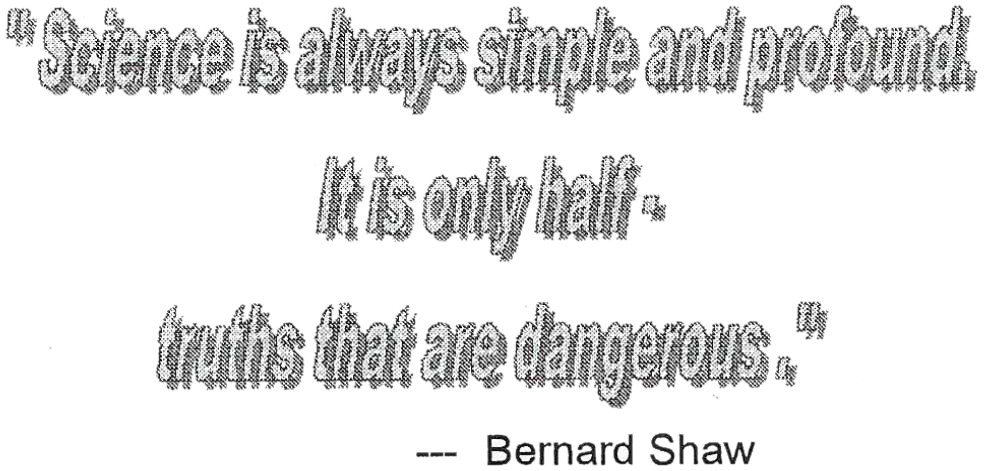
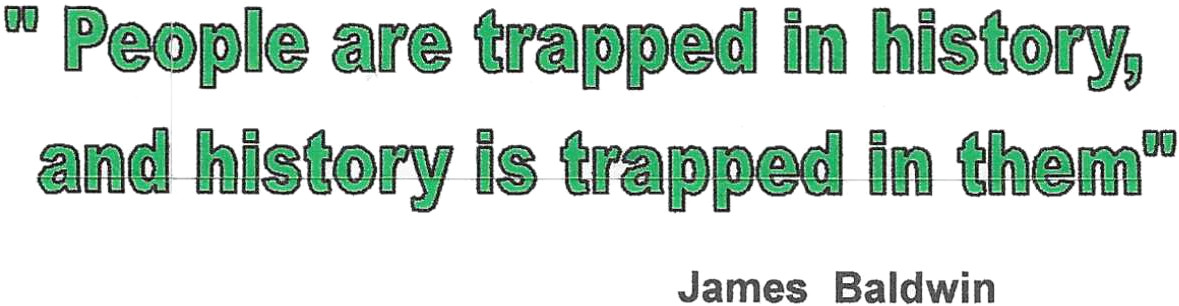
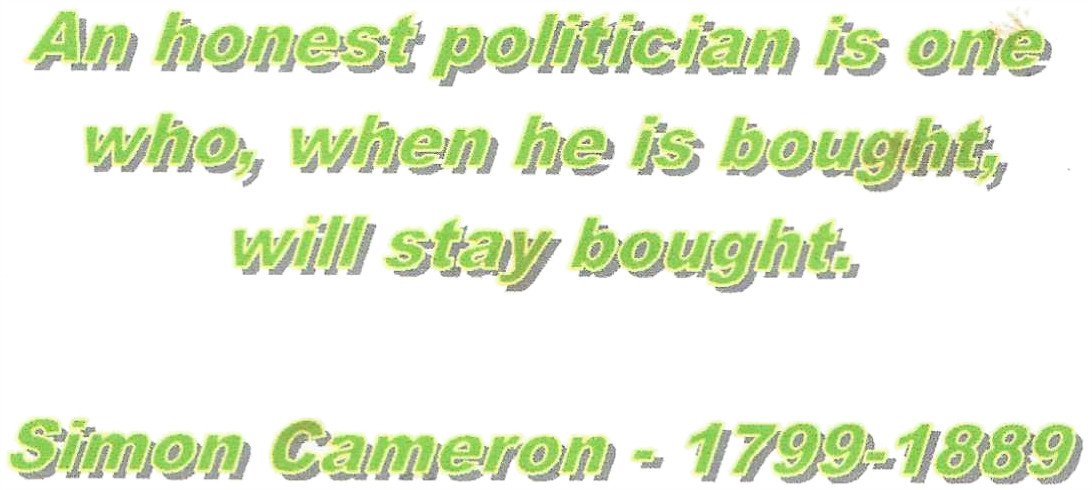
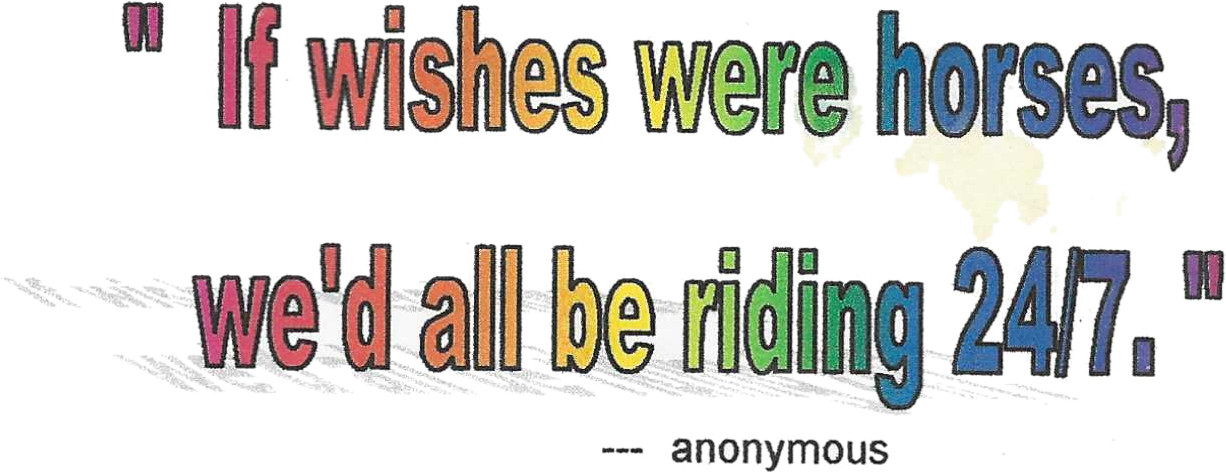
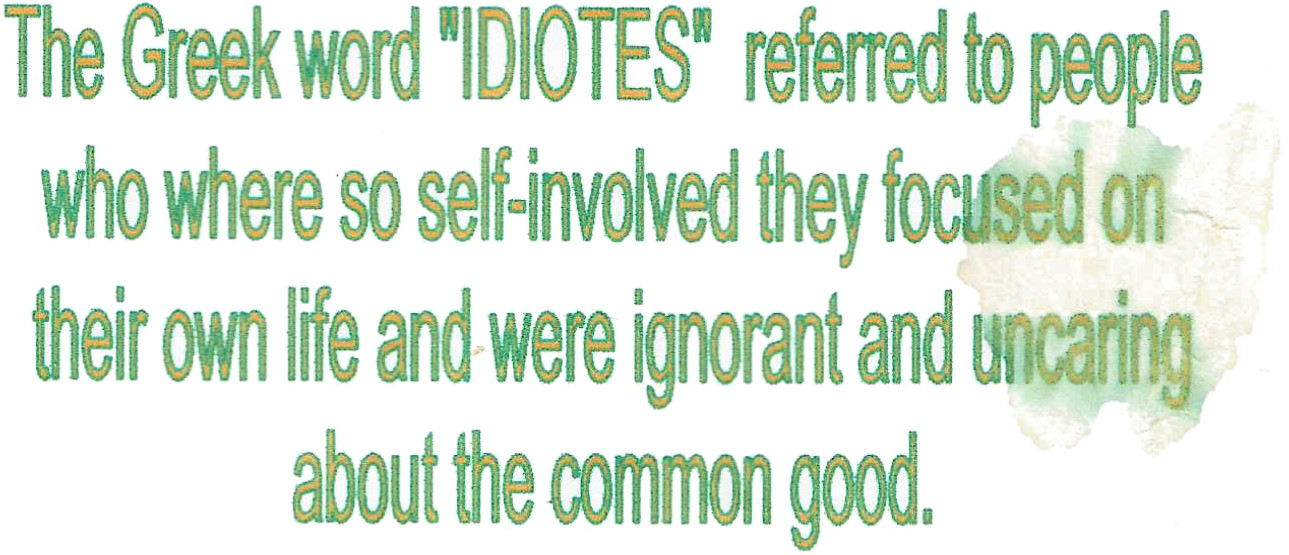
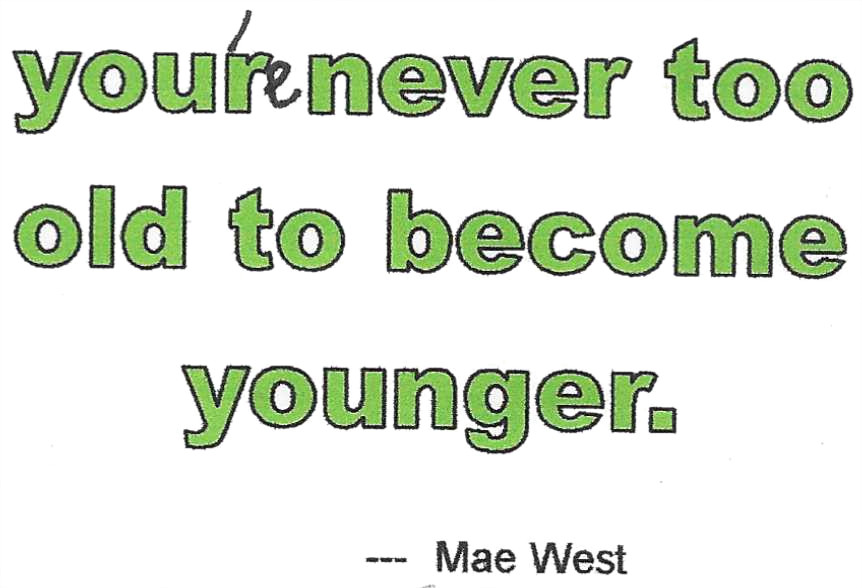
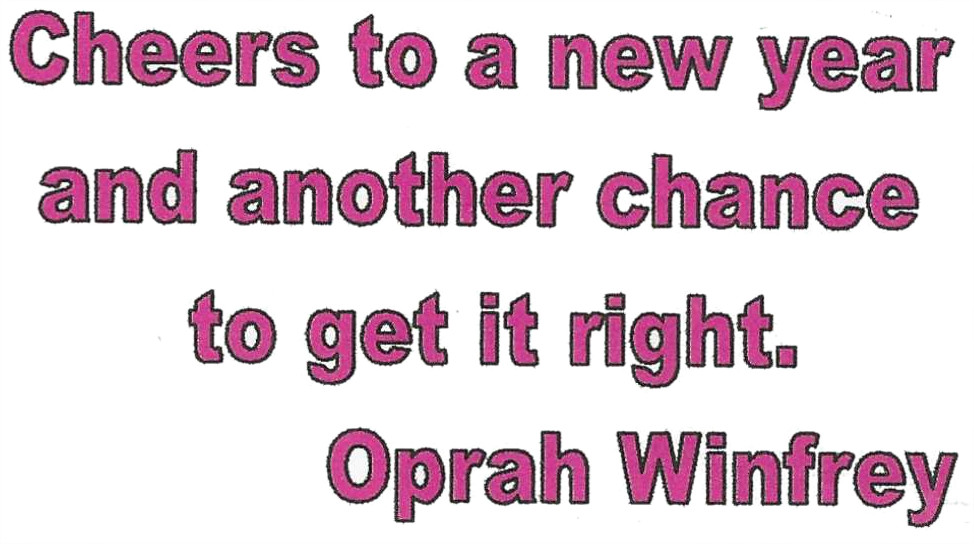
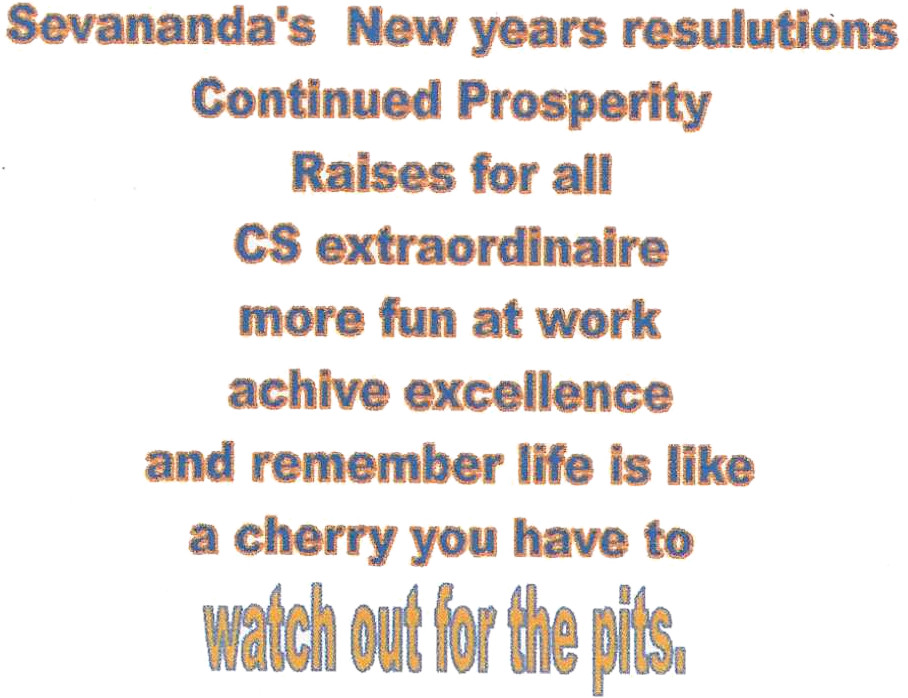
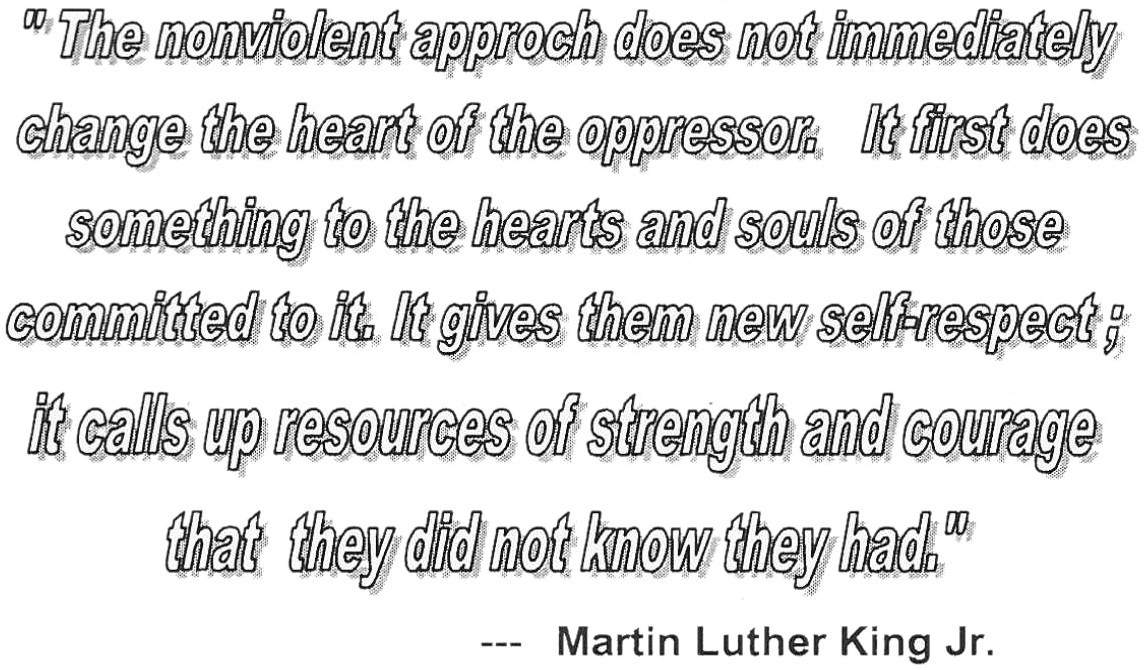
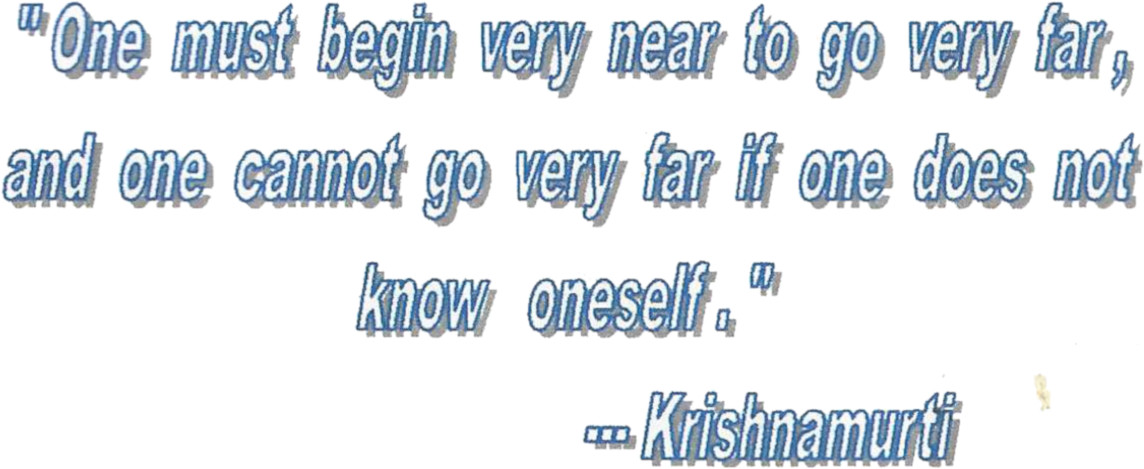
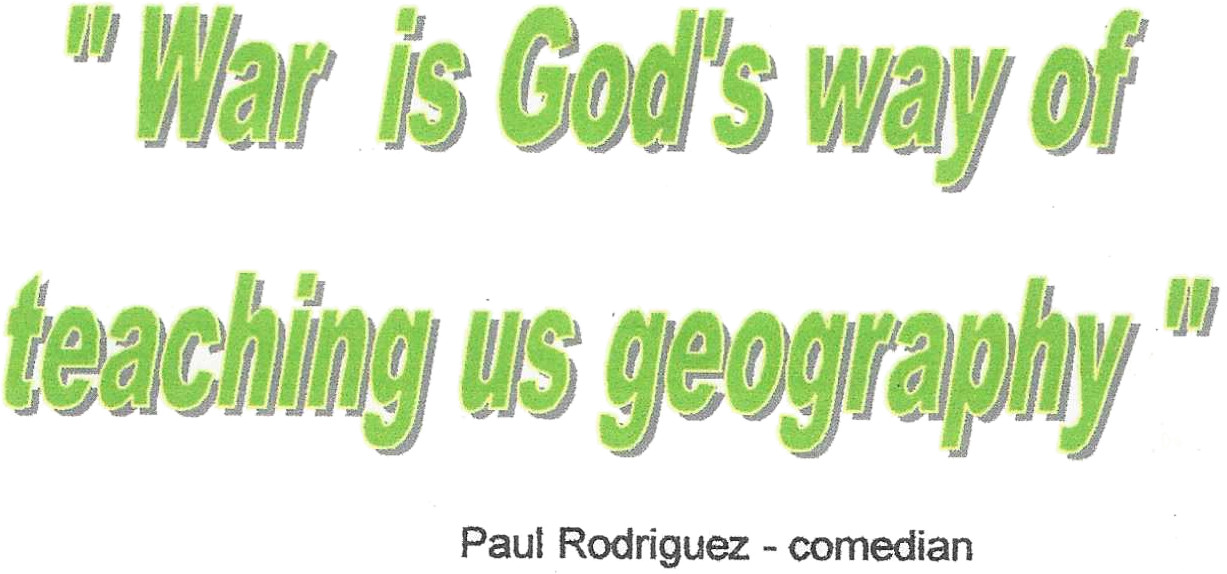
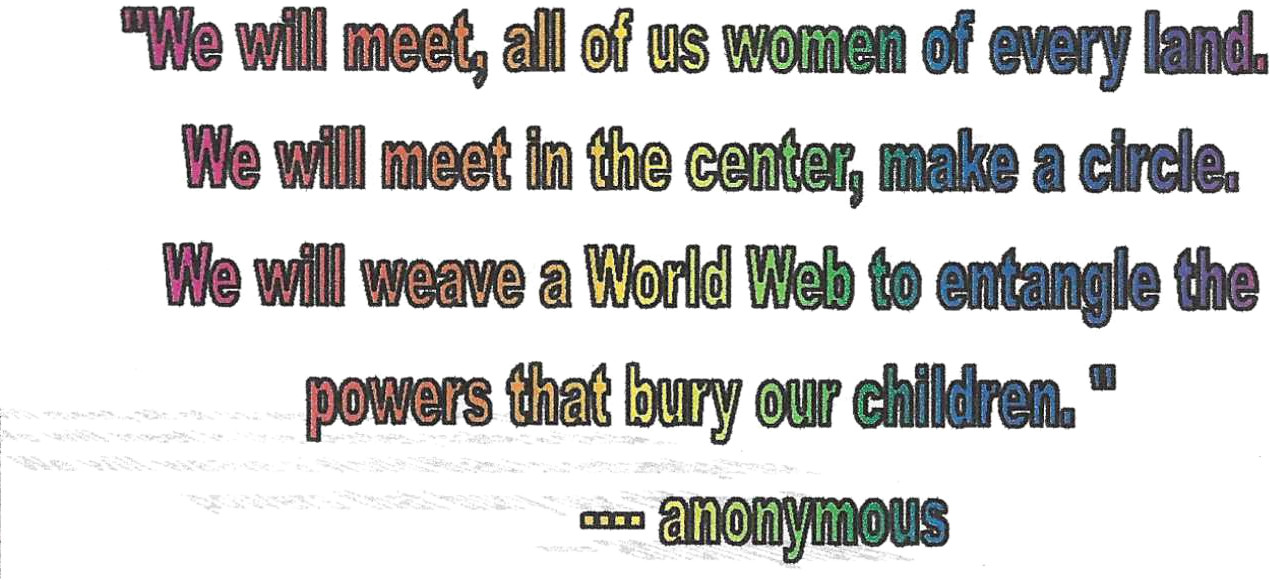
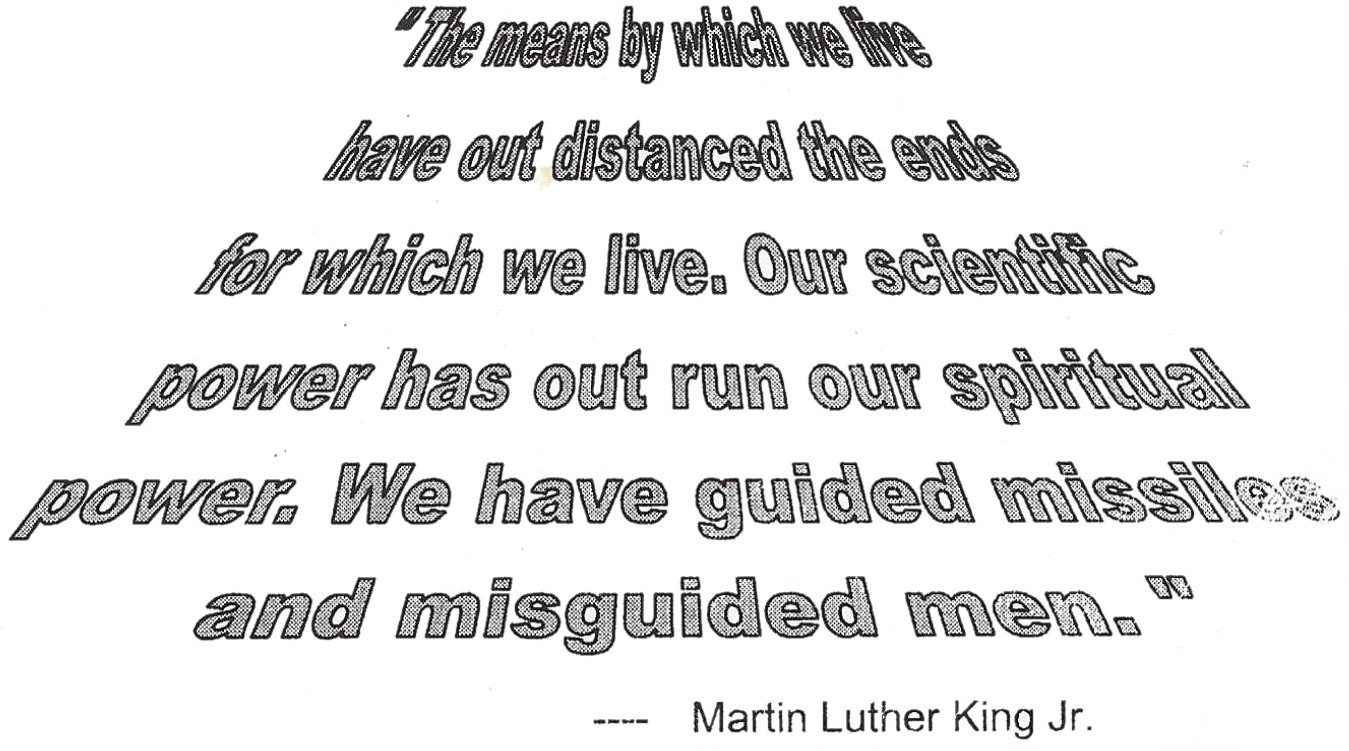
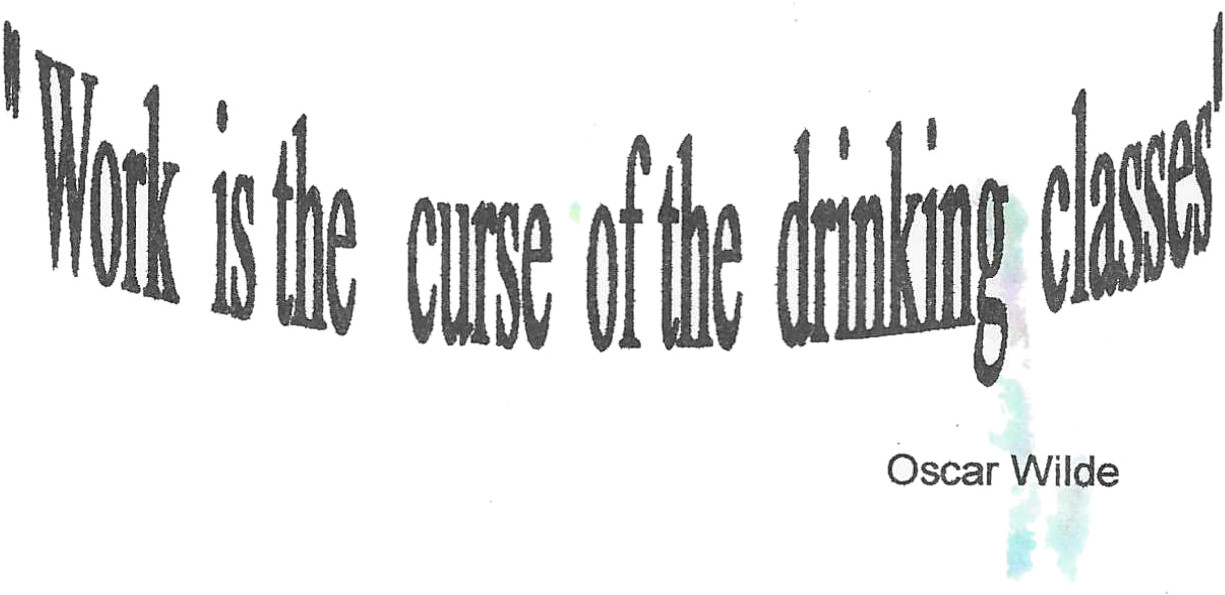
Office Folk Art is the name given to an interactive digital art gallery of digital graphics created by an anonymous retail front-end manager between February 2002 and April 2004. Each graphic was incorporated onto the lower-right (or, in one case, upper-right) corner of an 8.5"x11" sheet of paper, upon which weekly customer and sales volume data were hand-written into a series of Microsoft Excel tables and stored in a binder for posterity.
We know not their name nor their motive. We know not the specifics of their brush, nor their canvas, nor their palette. Yet we know with near-laser-precision exactly what they were thinking and what they were feeling on any given date, within a four-day margin of error - in historian terms, a near-bullseye that allows us to piece together a narrative of an ordinary human being, spanning over two years of their professional life. In this curated collection of digital word art - painstakingly captured and restored for optimal viewing through a World Wide Web browser window - we not only see our friends, neighbors, and colleagues, but also ourselves.